
Isn't That Magnificent? Why Most Luxury Brands Are Building the Wrong World
Feature by FerebeeLane
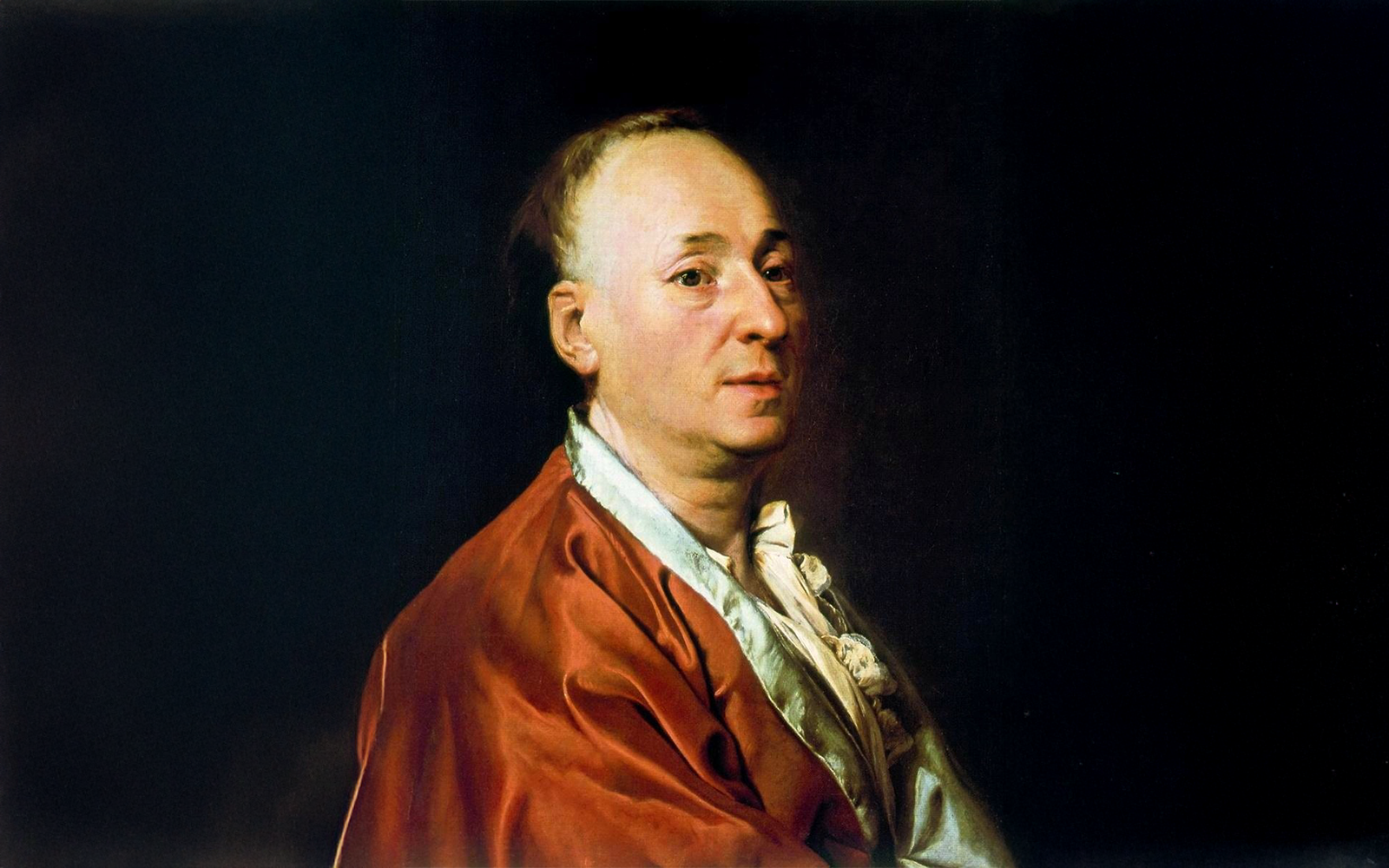
Image credit: Louis-Michel van Loo’s 1767 portrait of Denis Diderot
Denis Diderot, the 18th century French philosopher best known for his work on the controversial intellectual project Encyclopédie, lived an austere life out of necessity. At one point, through the generosity of Catherine the Great, he came into a significant sum of money. Now that Diderot had money to spend, he decided to replace his old, shabby black robe with a magnificent scarlet gown.
Dressed in a beautiful new gown he felt in conflict with all the other items in his study; his old rickety writing desk, his well-worn chair, the frameless prints on the wall, and the tattered rug. Those items didn’t fit with his fine new gown, so he felt compelled to replace each item with something new, something that felt more harmonious with his scarlet gown.
Once the old was replaced by the new, Diderot looked around the room and he himself felt out of place in his own study. He had created a world that was no longer his.
From the Diderot Effect to the Diderot Unity
The Diderot Effect, coined by the consumer anthropologist Grant McCracken, is essentially allowing excessive consumerism to overwhelm you to where no matter how much a person buys they never feel completely themselves – much like how Diderot felt. While that type of consumerism is indeed something to be aware of, there is another path where responsible, well-edited consumerism can lead to a concept referred to by McCracken as the Diderot Unity.
Diderot Unity is a culturally complementary group of consumer goods that align with a person’s identity or lifestyle. In fact, individuals may have multiple Diderot Unities depending upon how they see themselves, or want others to see them, at home, at work, or in social settings.
Through this lens, consumerism can be interpreted as a way to create an authentic identity instead of a prefabricated one. It is a way for an individual to be uniquely themselves.

Image credit: Ralph Lauren
Diderot Unity: The Traditional Model for Leading Luxury Brands
In the context of a luxury brand a Diderot Unity is the same as the aspirational, tightly controlled, and mystique-driven worlds luxury brands have long created. They have become the vehicle through which affluent consumers have been invited into, on the brand’s terms, to become a part of that perfectly manicured world – thereby assuming the brand as part of themselves.
Indeed, Ralph Lauren has multiple worlds presenting a classic American life for audiences to adopt. These include The Aristocratic Blue Blood (Polo Ralph Lauren) representing the quintessential New England preppy aesthetic. The Rugged Frontier (Double RL / RRL) which is a love letter to the American West. Old Hollywood Glamour (Ralph Lauren Collection / Purple Label), a world of high-end, tailored sophistication inspired by the 1930s sartorial elegance. And then influencing private spaces through The Refined Home (Ralph Lauren Home) which extends the dream past the wardrobe and into your home.
This world-building philosophy was itself called “Cinematic Escapism” by Ralph Lauren and represented his strategy to express his unique perspective as a fashion brand to counter the heritage and aura of Europe’s luxury houses that have long held the imagination and loyalty of the American households.
And it’s clear that this model has worked for over half a century, but expectations are shifting and the discerning affluent consumer is starting to look for something more.
Making It Mine
Mine is a powerful word in brand building as it represents possession, belief, intimacy, and a sense of responsibility. At its most meaningful interpretation it’s the difference between a person adopting a brand and a person adapting a brand to themselves.
And the latter is where the most interesting luxury brands are evolving to. They are moving from building worlds for consumers to building them with consumers.
These brands are still building worlds that express a strongly held conviction, and they continue to offer a powerful invitation to those that identify with that conviction; however these brave and confident brands provide those same individuals with an opportunity to make that world their own.
This is what genuine consumer intimacy is, it’s when the brand becomes the canvas for self-identity. The edges of the canvas represent the brand’s perspective and beliefs but within those edges the individual is empowered to make it personal – to make it mine.
This canvas is a metaphor for the confidence of a brand that willingly provides a type of artistic agency to the audience to take and create what is most meaningful to them.
“Making it mine” is what people want in their relationship with a luxury brand and it’s what should be the objective for every brand leader.
However, in that pursuit it’s critical to understand that this isn’t personalization at scale, meaning it’s not a VIP or “insiders” program, as that is a process put upon someone, instead this is a harder path to take. It’s a path that shows the brand is devoted to a specific audience and, importantly, to not all audiences. And in turn, that audience becomes devoted to the brand not through a loyalty program, but through a shared perspective and respect that creates loyalty.
The decision to take this approach can ultimately increase the value of a luxury brand, making future growth more powerful. This level of audience intimacy amplifies the distinctiveness of a brand and strengthens the bonds between the brand and that audience. It is a form of accretive growth that compounds the value of the brand.
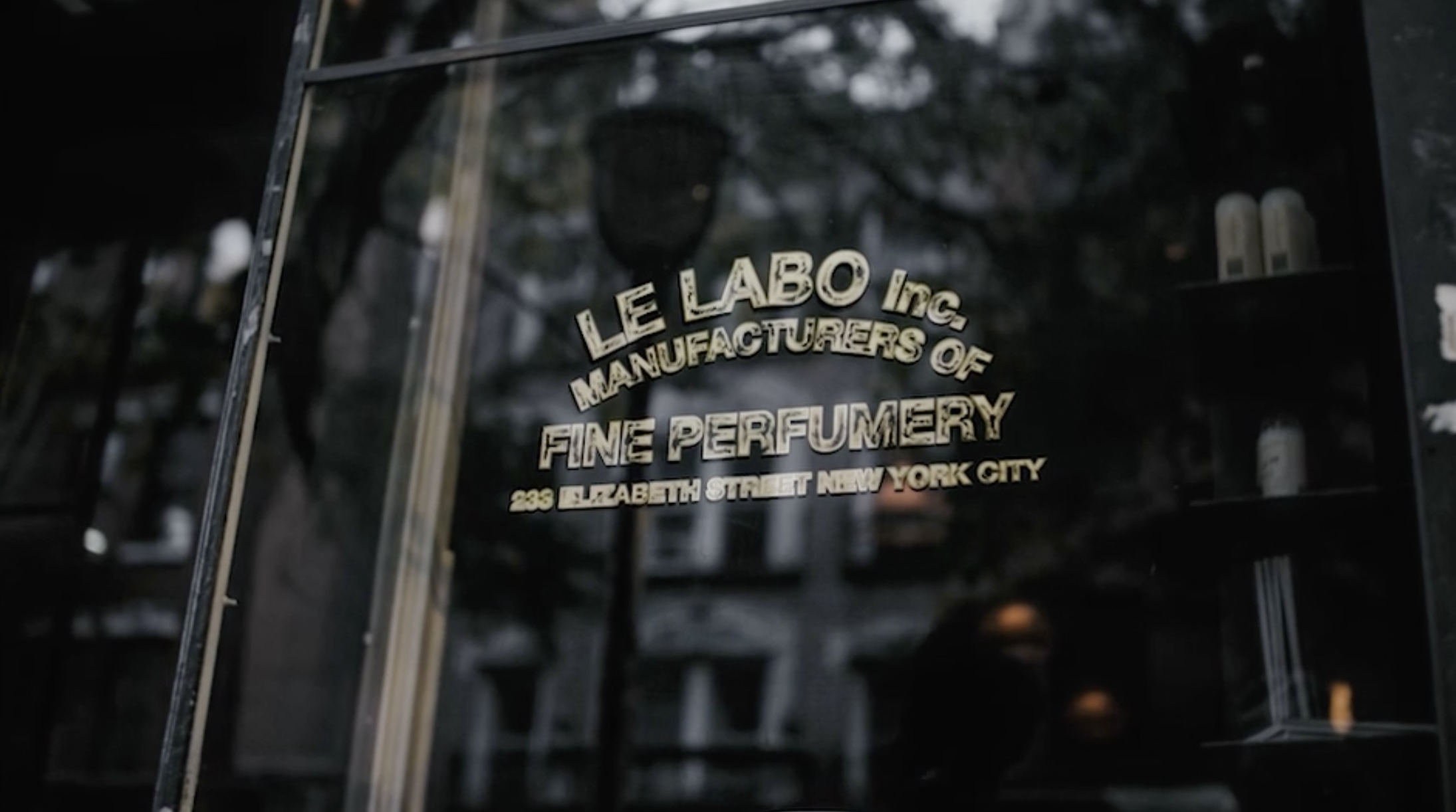
Image credit: Le Labo
We Believe That Fine Perfumery Must Be Irreverent
There may be no better example of a brand with a clear and fierce perspective that invites a consumer into a comprehensive and intimate relationship with the brand than the perfumery, Le Labo.
Founded in New York in 2006 by two European expats, Fabrice Penot and Eddie Roschi, they created Le Labo on the principles of radical transparency as articulated by an extraordinary manifesto of fourteen beliefs that is counter to the traditional world of luxury perfume. Beliefs that unapologetically encourage a decision to buy-in or to go somewhere else for perfume.
Beliefs such as:
We believe that there are too many bottles of perfume and not enough soulful fragrances.
We believe fine perfumery must create a shock - the shock of the new, combined with the shock of the intimately familiar.
We believe celebrities should pay full price.
We believe that we are only young once, but we can be immature forever.
These beliefs, along with the others in the Le Labo manifesto, leave no ambiguity on the intention of the brand and how they will shape the experience a client should expect and embrace - an experience that is honest, intentional, and irreverent.
That transparency even extends to Le Labo’s perfumery naming conventions. Every fragrance is strictly named after its primary scent note, followed by a number indicating the exact amount of ingredients used to build it (e.g., Santal 33 has 33 ingredients; Rose 31 has 31). This direct, mathematical naming structure reinforces their view of perfume as an exact, transparent craft rather than a marketing illusion.

Image credit: Le Labo
Then embracing a model centered on the client’s participation in the creation of the perfume with the fragrance mixed in their presence and dated and labeled with their name, while simultaneously creating an environment that respects the needs in that moment of each individual client. The client controls the experience, not Le Labo.
“Empathy, silence [are] a big part of our connection with the clients,” says co-founder Fabrice Penot. “We give them space to express themselves in a way that they usually don’t [have] in a traditional retail environment.”
Since its founding, and even after its acquisition by Estée Lauder in 2014, Le Labo has created a world, a Diderot Unity, that is dogmatic about craft and anti-commercialism, and yet an experience that is deeply personal to all who interact with it.
It might be said that only categories such as scent that is sensory and relatively intimate in general can create these close relationships, however that’s not true. The idea can transcend categories as long as the brand shares both an unapologetic perspective along with a mission to create ways that a person may become part of the brand's world rather than just a purchaser of its products. Let’s examine one such example in a distinctly different category – kitchens.

bulthaup Is Not A Kitchen
“What makes a space a place is the human being. They fill the space with their personality, with their soul. The essence of bulthaup is the quest for this place.” says Marc Eckert, the grandson of founder Martin Bulthaup.
bulthaup, since its founding in Germany in 1949, has been designing kitchens and living spaces with a mission to bring people together and to connect. Spaces that encourage people to make things, to express their creativity and to enjoy spending time in.
They have approached their work with a few steadfast principles around the use of authentic materials, innovation rooted in tradition, about whether their concept of a kitchen is enough to meet the needs and desires of today’s affluent consumer, and to follow the Bauhaus principle of ‘form follows function’.
At the heart of every consideration, every decision, is to create spaces for people, for their needs and customs. Said simply, they believe kitchens are designed with the ear first and the intellect second.
The bulthaup studio, instead of traditional retail, are considered design workshops where people can participate in the creation of their kitchen architecture. They can influence design, flow and material selection in ways that fit their life within the world of bulthaup.
For bulthaup creating intimacy for and with discerning consumers is a natural expression of the company’s commitment to the founding principles. It’s the result of a tightly-held organizational value bulthaup describes as herzblut, or in English, heart and soul. They put herzblut into everything they do and the relationships they create, thereby creating a Diderot Unity people want to buy into and make their own.
The Uncomfortable Challenge For CMOs
Le Labo and bulthaup are examples of brands with clarity on what each believes and a commitment to building enduring, deep relationships with the individuals who share those beliefs.
Many believe that a brand cannot have scale and efficiency, along with consumer intimacy, that’s false. But it requires discipline, a long-term view and internal alignment to prioritize relationships.
Neither Le Labo nor bulthaup have sacrificed efficiency and scale, instead they have clearly prioritized real consumer intimacy. That prioritization has enabled each to grow and prosper, one as part of a public company and another as a private company for nearly 80 years.
What may be even more uncomfortable for CMOs to face is the mistake in thinking that simulated intimacy is the same thing as building strong, intimate consumer relationships.
Since this audience increasingly expects personalization and intimacy, luxury brands have responded by engineering the appearance of intimacy at scale. The handwritten note that was printed by a machine. The "exclusive" event with five hundred people. The CRM-driven personalized email. The loyalty program tier with a special name.
Those are programs and events, not meaningful interactions.
A Final Thought
Affluent consumers are searching for products and experiences that enhance what they find meaningful in life and the relationships that they cherish. Consumption simply for status and signaling is fading, yet the expectations and demands for real interactions with luxury brands is rising.
CMOs must ask themselves, and their leadership team, if they are building a brand world that creates significant interactions or are they creating a superficial, one-way world for them to simply buy from? The former represents a path to building an enduring brand with charisma, while the latter is the traditional path that has become increasingly crowded - to the point where it’s hard to tell the difference between luxury brands.
Discerning consumers want to be seen, known, and loved by your brand. They want to learn from you, and they want to share themselves with you. That makes the answer clear on what you must build and isn’t that magnificent?
FerebeeLane is a brand strategy and creative agency working with premium and luxury brands to engage the discerning affluent consumer. Since 2005, the agency has collaborated with beloved brands such as Le Creuset, Blackberry Farm, Miele, The Ritz-Carlton, Baker McGuire Furniture, Vail Resorts, Chimay Trappist Beer, as well as numerous other Relais & Châteaux properties, and other luxury brands throughout the home. To learn more about FerebeeLane or our perspective on the discerning affluent consumer please contact Josh at josh.lane@ferebeelane.com