Longevity is the New Luxury
Feature by Havas Media Lux
The wealthiest consumers in the world have stopped buying things. In 2026, they're buying back time, and optimising the body that spends it. For the modern luxury traveller, the return on investment is no longer a room rate or a Michelin star, it's a biomarker, a resting heart rate, a cortisol level recalibrated. High-net-worth individuals are decisively reallocating spend once reserved for objects toward something more difficult to fake - measurable biological improvement and genuine emotional recalibration.
This is a structural economic shift of rare magnitude. The global wellness economy reached $6.8 trillion in 2026 - nearly double its size a decade ago. Within it, Luxury Wellness Tourism is the standout growth engine: valued at over $1.2 trillion and compounding at 13.2% annually through 2035. Even as headline luxury spending holds resilient at €1.5 trillion, the growth is almost entirely experiential. The cultural signals of this are already visible with David Beckham now focusing on bee keeping and growing vegetables in the Cotswolds. It's a small detail that speaks to something larger: a generation defined by status access is choosing agrarian slowness, craft, and stillness.
The ultimate luxury of 2026 isn't the destination, it's returning home as a healthier, sharper, fundamentally re-energised version of yourself. Success is no longer measured by what you own, it’s measured by the quality and longevity of the life you're able to live. Luxury is no longer a nice-to-have escape, it’s become a biological and strategic imperative.
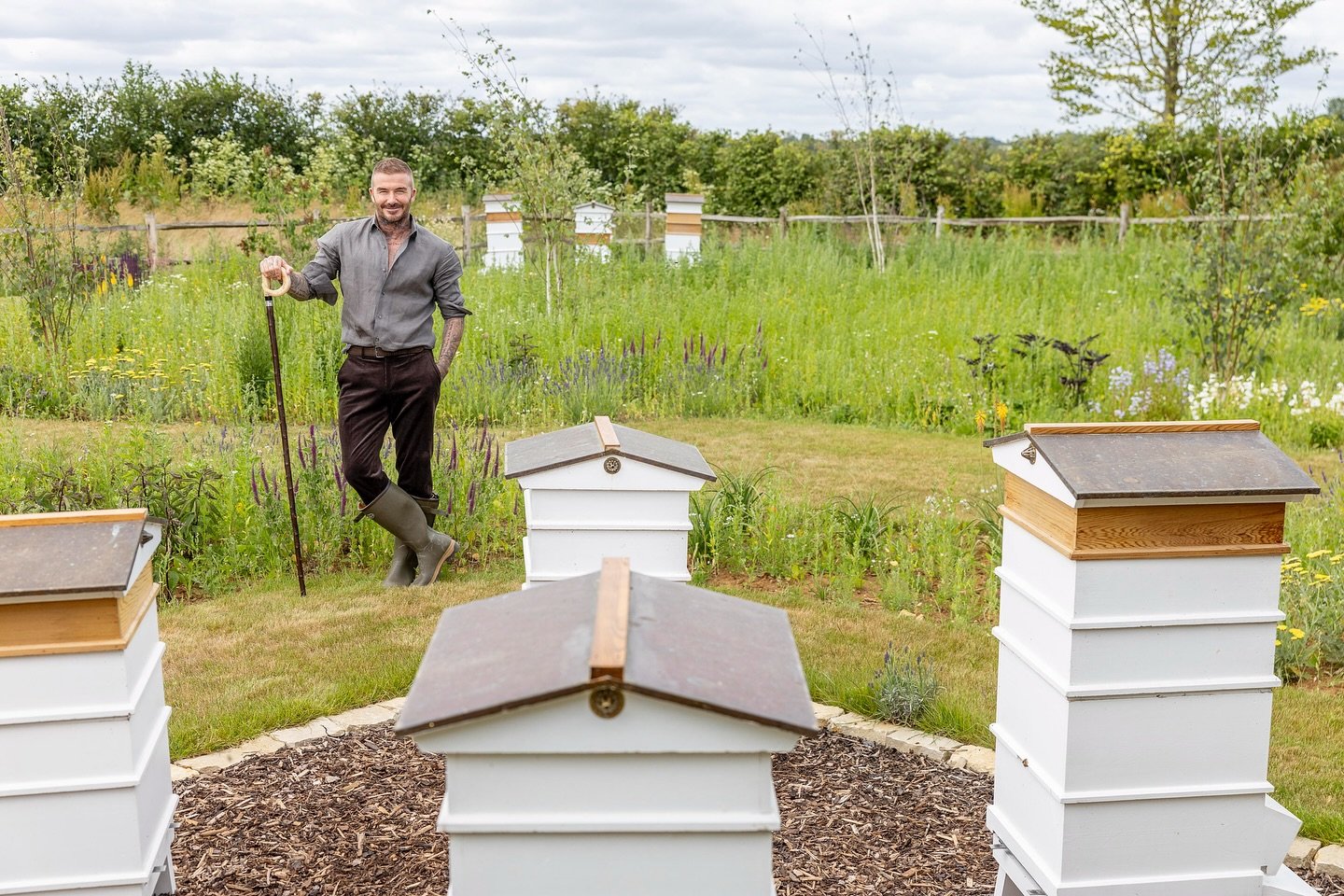
Image: David Beckham at his home in the Cotswolds
Biological optimisation as a service for longevity
Luxury travel is evolving from a restorative break into a proactive, data-driven investment in long-term health. The traditional detox retreat is being replaced by high-performance optimisation programmes that are clinical and deeply personalised. This is evidenced by the rise of hybrid medical environments where diagnostics - such as DNA testing, biomarker
analysis, and AI-powered sleep tracking - are integrated into the guest journey. At destinations like Cap Juluca by Guerlain, guests are utilising Longeviskin technologies to treat skin as a biological system, reflecting a broader market where 81% of affluent travellers now prioritise wellness-focused outcomes. For brands, this signals a transition from providing amenities to becoming an essential partner in a consumer’s permanent health infrastructure.
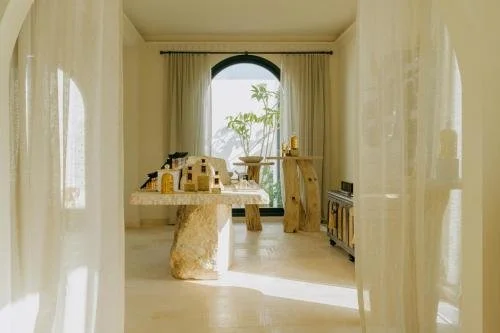
Image: Cap Juluca by Guerlain
Radical stillness and the pursuit of less
In an era of digital saturation and sensory overstimulation, the rarest luxury is now silence. This has birthed a quiet travel movement, where value is derived from what is removed rather than what’s added. The framing for this shift is best seen in Adrian Zecha’s newly opened Azuma Farm Koiwai, which eschews flashy amenities for agrarian luxury - an immersive existence focused on essentially doing nothing. Our data at Havas Media Lux supports this behavioural pivot with 59% of affluent travellers being drawn to slow travel, while 78% cite rest and cognitive relief as their primary motivations. Luxury is no longer about abundance; it’s about the curation of intentional absence and the confidence to disconnect.
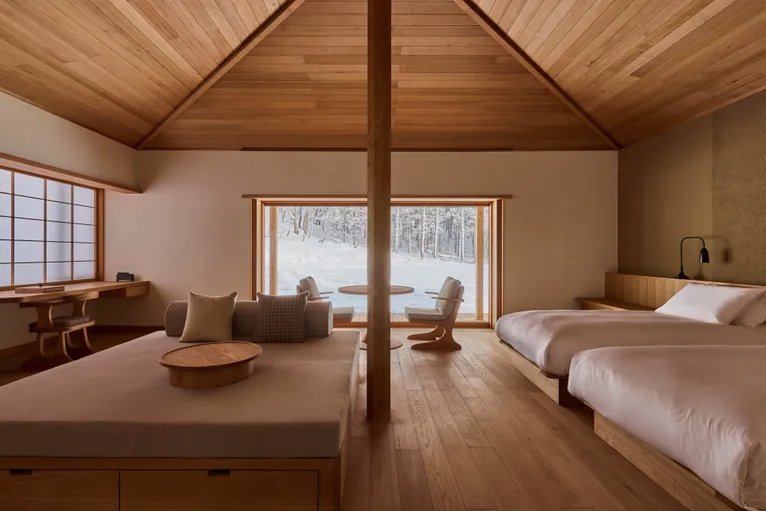
Image: Adrian Zecha Azuma Farm Koiwai
Transformative exploration and cosmic connection
Beyond the physical, a deeper layer of wellness is emerging that prioritises cognitive resilience and spiritual depth. Affluent consumers are seeking intrinsic value through experiences that facilitate personal growth and the development of new knowledge. 85% of luxury travellers now want to deeply explore local culture when they travel, and 78% actively seek experiences that create genuine connection to place and community. More tellingly, 81% of HNWIs surveyed would rather fund a transformative luxury trip than a lavish wedding - evidence that experience has not merely joined status signalling, it’s replaced it. This is the hallmark of Abercrombie & Kent’s Sanctuary portfolio, which reframes the traditional safari or cruise as a participatory ritual - from Maasai Warrior training to Astro-tourism at certified sites like Castello di Casole. These experiences function as a new form of social signalling; in 2026, status isn’t projected through what you own, but through the discipline, cultural depth, and transformative journey you’ve undertaken.
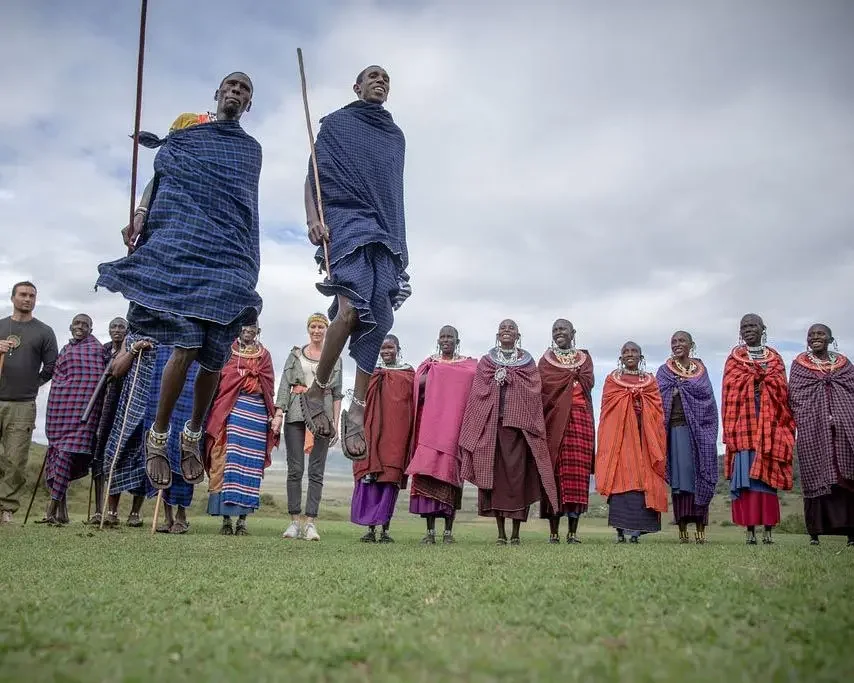
Image: Abercrombie & Kent Massai Warrior Training
What this means for luxury brand communications in 2026:
The structural shifts we are witnessing in 2026 - from Zecha’s agrarian minimalism to Abercrombie & Kent’s transformative expeditions - mark the end of travel as a simple transaction of space and time. Success is no longer measured by the length of the stay, but by the extension of the traveller’s health span. The opportunity is to stop marketing holidays and start marketing human upgrades. This requires a recalibration of how we communicate value - moving from the visual language of aesthetics to the verifiable language of outcomes.
Target the human trigger, not just the lifestyle: Instead of looking purely at demographics, we should look at the moments that precede a decision. Today's affluent traveller isn't booking a trip, they're responding to something: a milestone that made time feel finite, a creeping exhaustion that no amount of success seems to fix, or a health scare that reframed their priorities. These are the real triggers, not luxury interest or wellness affinity, but moments of human vulnerability where the desire for transformation becomes urgent. Strategy must move beyond broad segment targeting and into the texture of these moments - understanding not just who this consumer is, but what they're trying to reclaim. Media partners should be selected on exactly this basis: chosen for the trust and authority they hold at precisely these human inflection points, not just for their aesthetic alignment with the luxury category.
Adopt low-frequency, high-friction media placements: To reflect the "Radical Stillness" trend, media should intentionally move away from high-velocity digital noise. Rather than hyper-frequent social ads, brands should invest in deep-immersion formats: high-quality print journals, sponsored long-form podcasts, or gated digital sanctuaries. The media plan should mirror the product - prioritising quality of attention over volume of impressions. In 2026, a brand’s ability to not interrupt is a marker of its prestige.
Contextual integration into the longevity ecosystem: The travel journey no longer starts at booking; it begins at the point of self-improvement. True integration means a full 360 ambition - brand-to-brand partnerships that create genuine utility, media partnerships built on shared purpose, and collaborations that embed the brand into the consumer's daily wellness life. Co-authored longevity programmes, joint content with preventative medicine clinics, partnerships with high-performance recovery brands - each touchpoint cementing the brand's role not as advertiser, but as active participant in the consumer's health journey. This means moving beyond sponsorship into co creation, delivering real, human value from aspiration through to aftercare. The brands that win will stop thinking in campaigns and start thinking in relationships - proving ROI not through impressions, but through measurable impact on the lives they serve.
Havas Media Lux gives you the competitive advantage amongst luxury consumers. Our speciality lies in connecting brands to modern consumers and communities. If you'd like to learn more about how we do this, or this year's “New Codes of Luxury” report, please get in touch via Hmgukcomms@havasmg.com