Beauty, Skincare, Wellness and the New Codes of Self-Investment
Feature by Havas Media Lux: https://www.havasmedialux.com/
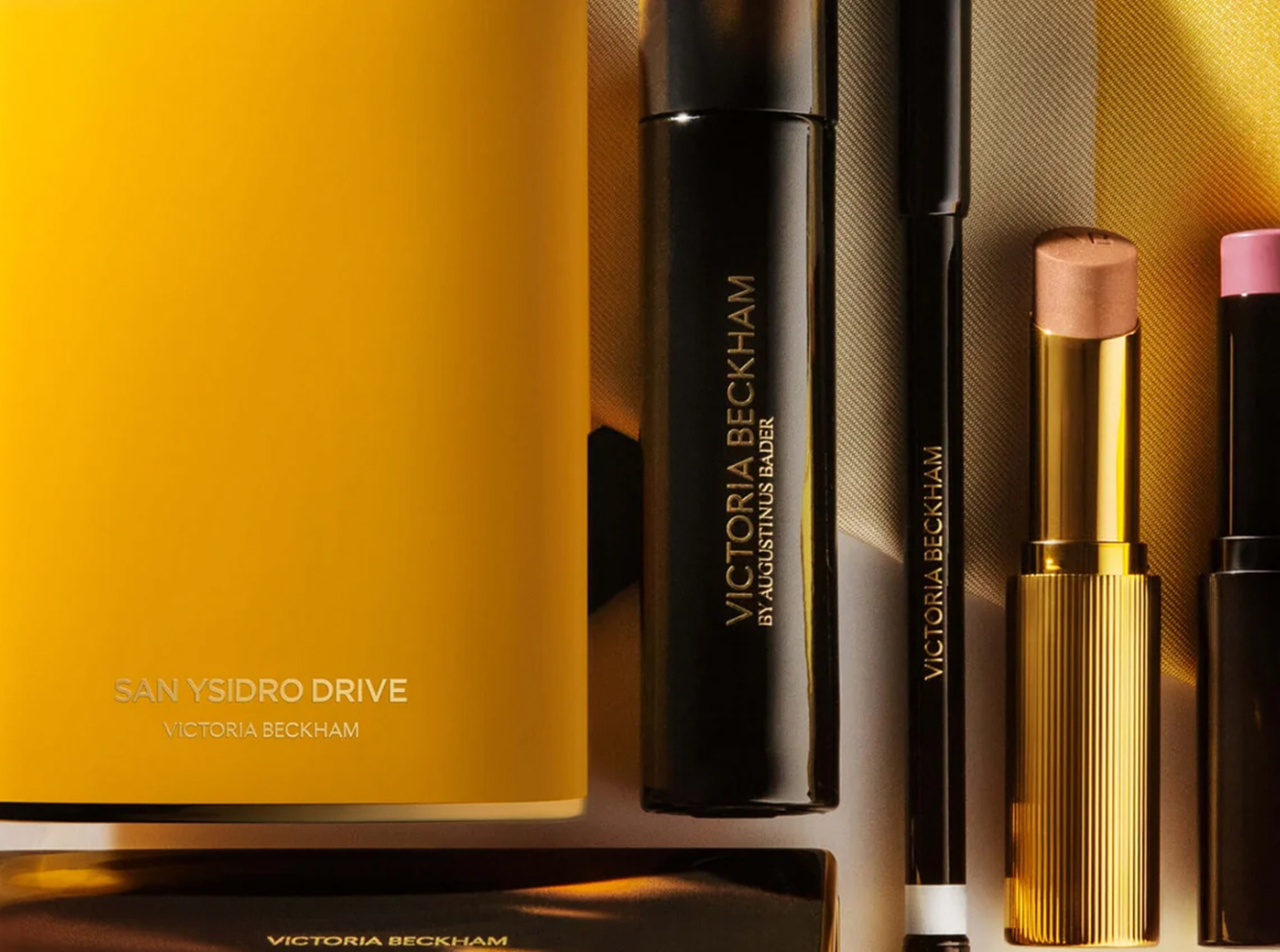
Over the past year, beauty, skincare and wellness have emerged as powerful drivers of the luxury economy. Once considered adjacent categories - beauty as an accessible entry point and wellness as a niche lifestyle segment – they’re now reshaping how luxury is purchased, experienced and valued. Insights from our latest “New Codes of Luxury” report reflect this shift.
· Beauty remains the most impulse-driven luxury purchase, with 81% of consumers having purchased luxury beauty in the past year and 46% saying their next luxury purchase will be in the category.
· Meanwhile, wellness has firmly entered the luxury mainstream, with 54% of consumers purchasing a wellness product or experience in the past year and 32% now buying luxury goods specifically to support their wellbeing.
Together, these categories are transforming luxury from something we own into something we optimise. Increasingly, luxury sits at the intersection of self-expression, self-improvement and self-quantification.
In 2026, three key shifts are shaping the next phase of beauty, skincare and wellness.
1. Beauty has become the luxury industry’s most dynamic innovation lab
Beauty has rapidly emerged as one of the most dynamic innovation engines within the luxury sector. Our latest “New Codes of Luxury” report shows that 18% of consumers now view beauty as the most innovative luxury category, up from just 8% last year. Beauty’s unique strength lies in its ability to evolve at the speed of culture. New ingredients, formats and aesthetics are emerging constantly, often driven by social media communities, creator culture and advances in biotechnology. At the same time, the category is undergoing a deeper conceptual shift. Beauty is no longer simply cosmetic - it increasingly blends science, identity and performance. Technology is also reshaping how beauty is perceived. The rise of AI filters, algorithm-driven aesthetics and heavily edited imagery is pushing beauty standards to new extremes, creating both opportunity and responsibility for brands. In response, luxury beauty brands are adopting a more science-first approach, partnering with dermatologists, medical experts and biotech innovators to build credibility. The recent collaboration between Victoria Beckham Beauty and Augustinus Bader exemplifies this shift, combining Beckham’s luxury aesthetic with Bader’s regenerative skincare technology. As consumers seek science-backed formulations, dermatological expertise, personalised routines and ingredient transparency, beauty is evolving from glamour toward applied self-optimisation.
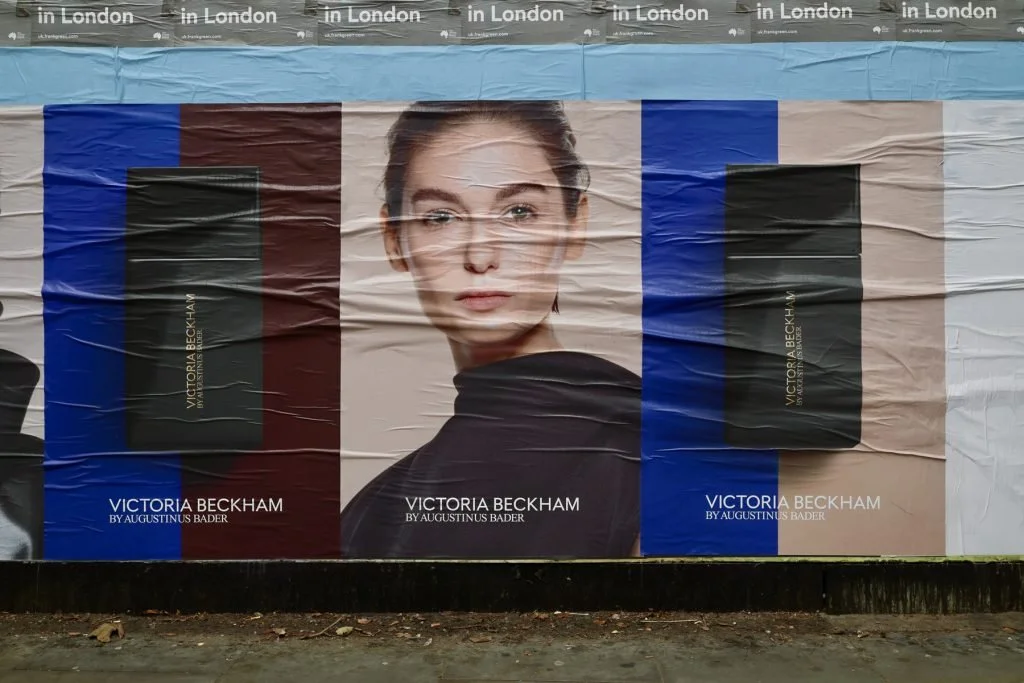
Image: Victoria Beckham by Augustinus Bader, 2025
2. Wellness is becoming the ultimate luxury status signal
If beauty represents visible self-expression, wellness represents something deeper: the luxury of longevity. Where luxury once signalled wealth through objects, it increasingly signals success through health, vitality and lifespan. Exclusive clinics, biohacking programmes and longevity diagnostics are becoming new status markers for affluent consumers, signalling knowledge, discipline and access to expertise as much as spending power. In this sense, wellness has become the new connoisseurship. Our data reflects this shift with over half of consumers having purchased wellness products or services in the past year, while a quarter now buy luxury goods specifically to support their wellbeing. Meanwhile, a large proportion say their next purchase will be a smartwatch, highlighting the growing overlap between luxury, technology and health tracking. At the same time, luxury is beginning to adopt the logic of healthcare. The future of high-end wellness is less about spas and more about diagnostics, data and preventative optimisation. New entrants such as Neko Health exemplify this shift. Its full-body scanning technology delivers detailed health diagnostics in minutes, transforming medical screening into a sleek, design-led consumer experience. In this emerging ecosystem, the most influential players may not be traditional luxury houses at all, but clinics, platforms and technology companies translating health science into desirable lifestyle experiences.
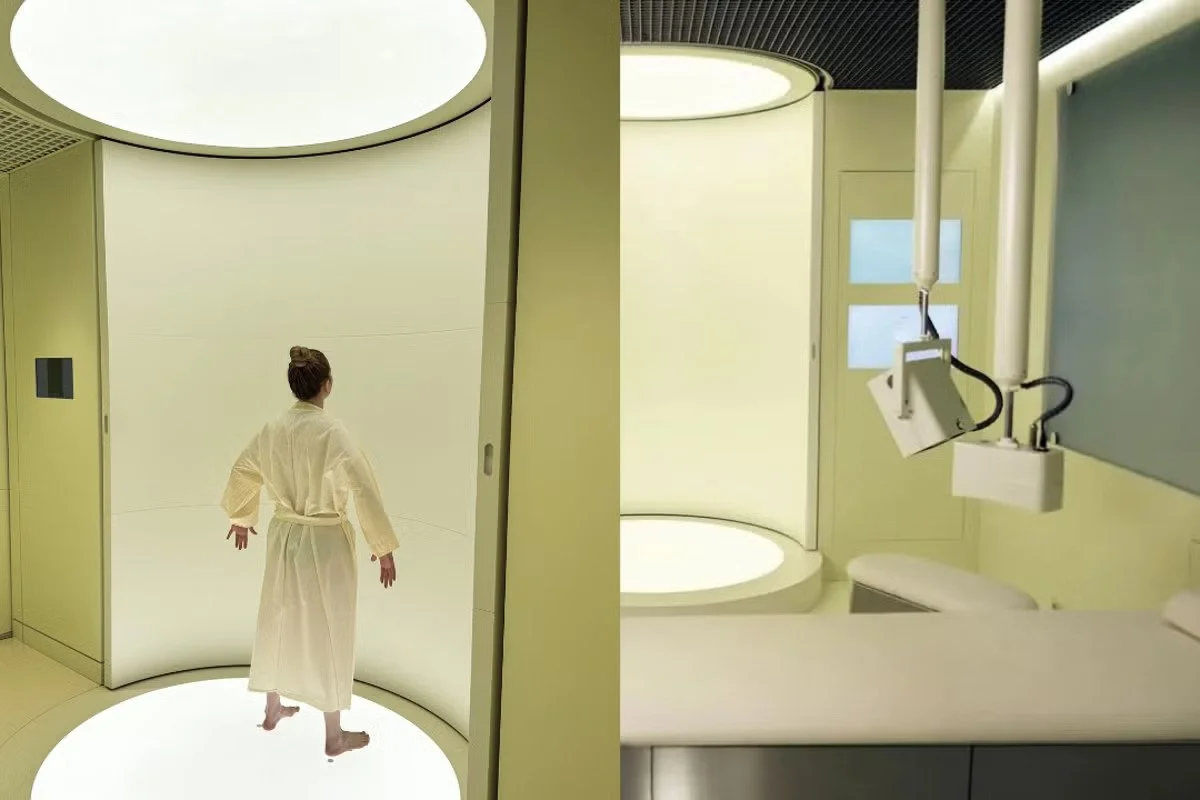
Image: Neko Health, London, 2026
3. The rise of the “self-investment economy”
Together, beauty and wellness reflect a broader shift in consumer behaviour: spending on oneself is increasingly seen as investment rather than indulgence. The scale of this shift is significant – the global wellness economy is now worth $6.8 trillion and has doubled in size since 2013, reflecting growing consumer investment in health, longevity and wellbeing. Where luxury once centred on visible status symbols such as handbags, watches and jewellery, a growing share of discretionary spending is now directed toward internal capital - from skin quality and longevity to mental wellbeing and physical performance. Luxury brands are beginning to respond, too. Fashion houses such as Dior and Gucci are expanding into wellness experiences and holistic lifestyle offerings, while hospitality groups like Six Senses and Aman are embedding diagnostics and personalised health programmes into their guest experiences. Even traditional status symbols are evolving with connected timepieces from brands such as TAG Heuer now positioning watches as tools for monitoring personal performance and wellbeing. As a result, luxury purchases are increasingly justified not simply because they are beautiful, but because they improve the individual. The luxury consumer of the next decade will likely have not only a wardrobe of prestigious brands, but also a portfolio of self-optimisation systems.
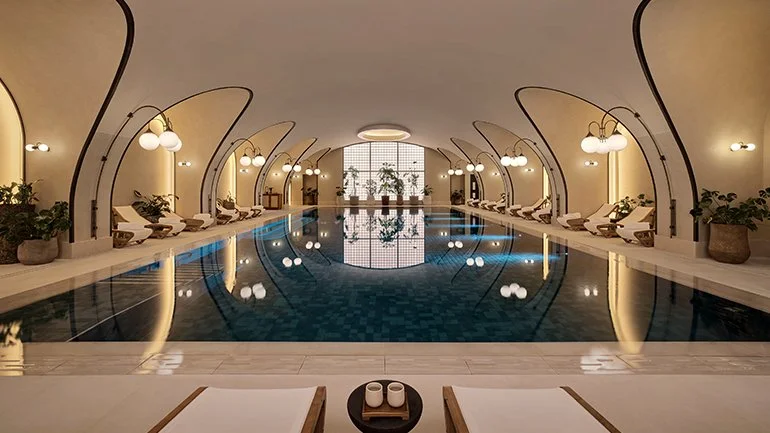
Image: The new Six Senses, London, 2026
What does all of this mean for media?
There are three clear imperatives for the year ahead:
1. Design for micro-joys across the consumer journey. Beauty, skincare and wellness are high-frequency rituals, embedded into daily routines rather than occasional luxury purchases. As a result, beauty increasingly functions as a form of micro-luxury - small moments of self-investment that lift mood and reinforce identity. For media, this means moving beyond campaign bursts to creating always-on touchpoints that align with everyday rituals, embedding brands into the rhythms of consumers’ lives.
2. Use experiential media to make innovation tangible. Beauty, skincare and wellness are deeply sensory, hands-on categories, embedded in daily and weekly routines. As products become more science-led and wellness more diagnostic, consumers increasingly want to see, test and experience the technologies shaping this new era of self-optimisation. Experiential and out-of-home - from diagnostic pop-ups to immersive wellness activations - allow brands to translate complex science into something people can feel, try and trust. For categories built on results, ritual and transformation, real-world experiences don’t just drive awareness, they build credibility.
3. Become the trusted interpreter of beauty science. As beauty and skincare increasingly overlap with health science, audiences are seeking authority as much as aspiration. In an environment shaped by AI-generated content, filters and algorithm-driven trends, credible voices matter more than ever. Dermatologists, clinicians and researchers are becoming as influential as creators and tastemakers, particularly as consumers navigate increasingly complex conversations around ingredients, treatments and longevity. The opportunity here is deeper, fact-led storytelling - moving beyond showcasing products to translating the science behind them, separating hype from evidence and helping audiences make informed decisions about their skincare and wellness routines.
Havas Media Lux gives you the competitive advantage amongst luxury consumers. Our speciality lies in connecting brands to modern consumers and communities. If you’d like to learn more about how we do this, or this years “New Codes of Luxury” report, please get in touch via Hmgukcomms@havasmg.com.