
Luxury Comms in Anxious Times
Feature by FerebeeLane.
In two recent meetings with different luxury brand executives, an unexpected topic dominated conversations: feelings. Not just general feelings and emotions, though. The feelings of affluent consumers and, more specifically, feelings related to anxiety and contentment.
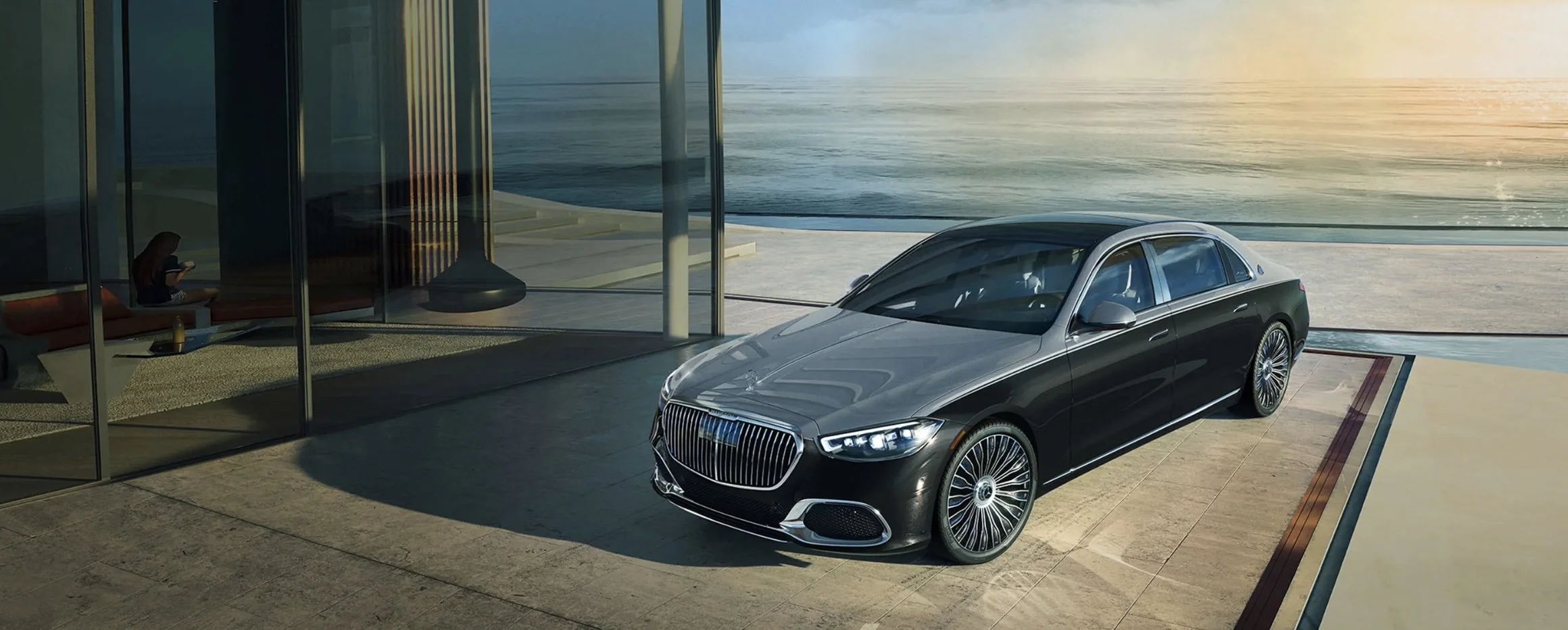
Image: Mercedes-Maybach
Luxury marketers talking about feelings is, of course, nothing new. The ties between premium purchases and emotions are well-documented. The neural thrill of a significant purchase… the rush of scoring an exclusive drop or limited-edition design… the fear of losing out. Lately, however, aggressive search and social algorithms have weaponized these visceral links into precise triggers that manipulate engagement and action. The resulting gratification is rarely sustained—and so the cycle repeats. It’s relentless.
From fast fashion to luxury lifestyle brands, from habit-forming food additives to rage-bait social content, our literal and figurative appetites are now being shaped and shifted at scale. Our shopping patterns, though, aren’t the only thing changing.
Researchers are also seeing significant neurological impact: mass attention issues, measurable cognitive slip. The Global Wellness Institute recently noted the “wellness” category’s response to these shifts: its turning from physical fitness to neurological regulation. Our dopamine and cortisol levels are all over the place. Our neural pathways are exhausted. And, from a marketing perspective, our most valuable audiences are over-stimulated, under-satisfied and understandably anxious.
Emerging shifts in the luxury category, however, offer some hopeful contrasts to that grim picture. More and more sophisticated consumers are resisting the veneer of viral must-haves and overhyped products and places.
As various industry experts have noted, affluents are showing a renewed interest in craft and ritual and process. They are seeking out more carefully considered premium purchases and more fulfilling personal connections.
This isn’t just a charming, high-touch trend, it’s a deeper neurological response to the dopamine-driven cycles currently transforming modern culture and commerce. Bain characterized this pushback as an effort to restore focus. In a world where the average person’s attention span has plummeted to mere seconds, the ability to concentrate is now, seemingly, a sought-after luxury. As a result, affluent consumers are investing in services and solutions that counteract the frenetic and fragmented flood of media they navigate daily. It’s an investment that’s expected to balloon the already sizable $7B wellness industry by 50% over the next 5 years.
This recalibration by affluents is an obvious opportunity for bespoke products and elevated, meaningful experiences. But how should the vast array of other luxury brands respond? What can luxury marketers do to empathize with discerning consumers who are trying to prioritize serotonin (the neurochemical driver of contentment) over dopamine (which drives constant craving).
The heavy, vacuum-like “thwump” of a Mercedes-Maybach door closing is a simple, timeless example. The sound doesn’t just underscore the vehicle’s exceptional quality, it conveys a neurologically resonant sense of security. The audible affirmation triggers a deep, immediate response. It sends a steady, calming signal that is felt as much as understood. The message is clear: The world’s noise cannot reach you here.
Belmond’s recent “Long Shots” video series delivers rich vignettes featuring sixty immersive minutes of calm—just slow, cinematic shots of the resort brand’s picturesque properties for guests to enjoy. No hard sell. No quick cuts. No effort to pack in every amenity or detail. Only a generous gift of luxuriously laid-back vibes that demonstrate the brand’s fundamental promise: slow, restorative luxury. By refusing to rush the viewer, they deliver a moment of genuine awe and contentment.
Based on the examples above, the current state of the marketplace—and early news of affluent audiences' reaction to it—what can luxury marketers do to engage their communities in calmer, more meaningful ways? Answering these strategic questions about various activities and initiatives may help:
Does this ad or experience reduce or increase stress?
In your pursuit of engagement and action, have you inadvertently created high-stress interactions? Consider subtle, non-transactional ways to demonstrate your understanding and support of their journey toward satisfaction and calm.
Is this product framed as a key to status or a path to awe?
Instead of leaning into status and fear of loss (dopamine), how can you highlight the satisfying vastness of the experience (serotonin)? Explore what aspects of your history, setting or production are most profound and poetic.
Is too much being given away too quickly? or streamlined too efficiently?
The pursuit of “frictionless” is often more for our own efficiencies than for guests and customers. Investigate slow reveals, textured rituals and chances for earned satisfaction that transform transactions into lasting memories.
Does this message or campaign target Resonance or Attention?
Are you seeking to be the loudest voice in your audience’s head, or the most memorable restorative or contemplative moment? Consider how copy, imagery, pacing and call to action can communicate effectively without urgency or insistence.
These questions are just a starting point for a much larger and longer conversation about how luxury communications will continue to evolve in an increasingly noisy, anxious era.
The luxury brands that thrive won't be the ones who manipulate neurology the most or shout the loudest. It will be the ones who have the conviction and clarity to connect in whatever genuinely empathetic, visceral ways make the most sense for their context and their community.
They are the brands who will be known and loved not just for what they sell, but for the profound ways they make people feel.
FerebeeLane is a brand strategy and creative agency working with premium and luxury brands to engage the discerning affluent consumer. For the past 20 years, the agency has collaborated with beloved brands such as Le Creuset, Blackberry Farm, Miele, The Ritz-Carlton, Baker McGuire Furniture, Vail Resorts, Chimay Trappist Beer, as well as numerous other Relais & Châteaux properties, and other luxury brands throughout the home. To learn more about FerebeeLane or our perspective on the discerning affluent consumer please contact Josh at josh.lane@ferebeelane.com