
Overwhelmed? Or Underwhelmed?Exploring Why Some Luxury Audiences are Really Turning Off
Feature by FerebeeLane
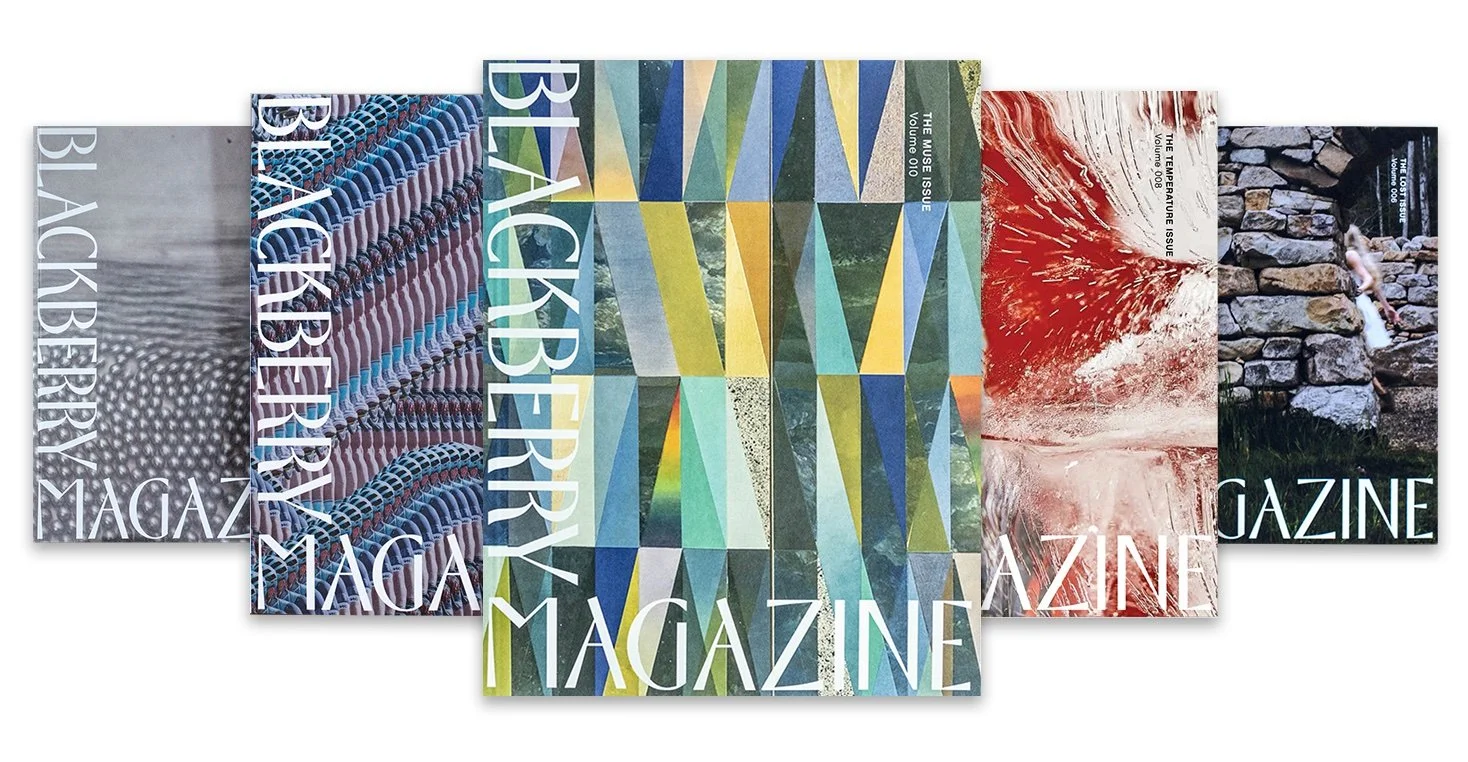
Image: Blackberry Farm
In an age marked by constant connection, unplugging has seemingly become a definitive power move for affluent consumers. Predictably, luxury marketers have rushed to diagnose and deal with this "offlining" trend.
The obvious explanation is digital burnout, which assumes self-aware individuals are overwhelmed and desperate to escape today’s mind-numbing stream of nonstop, overly choreographed content. A second, more academic hypothesis focuses on the performative nature of "going offline." You know the posts: the image of a vintage Leica resting near a dog-eared paperback or pour over coffee, captioned with earnest news of a digital sabbatical or tech break.
Most marketers have accepted these two explanations, both of which are true to some extent. The relentless flood of content is, of course, a real issue. Plenty of people are genuinely looking to escape this digital deluge. And, yes, there are individuals who are using unplugging as a way to signal social power and flex cultural capital. But are these easy explanations sufficient, especially for those trying to engage more sophisticated audiences? Both theories focus on quantity; both paint a picture where all content is relatively equal. But neither really considers the caliber of all this overwhelming content everyone is talking about.
By settling for these convenient answers, those addressing luxe audiences risk making a fundamental diagnostic error and missing a significant opportunity. What if the amount of content isn’t our next big problem? What if affluent audiences aren’t just turning off because they’re overwhelmed by quantity — but instead because they are underwhelmed by quality?
Whether it’s uninspired AI slop or well-intended, algorithmic ‘personalization,’ maybe tech turn offs demonstrate that more and more people have had enough of our hyper-curated, geo-targeted and mapped out communications. Maybe they’re tired of commodity content and craving well-crafted communications.
Considering offlining and unplugging this way reveals a far more fascinating possibility: that sophisticated consumers aren’t just running away to a quiet, content-less void. They could be running toward more meaningful engagement and experiences. They may be re-allocating their time, attention, and capital toward lower-volume, higher-fidelity interactions.
By prioritizing quality over quantity in such a decisive way, they are disrupting a foundational principle of modern marketing. They are openly resisting a system where content calendars demand daily posts, where clients expect weekly newsletters, and where algorithms insist on constant care and feeding.
Many of us have become so accustomed to this high-pressure, high-volume cycle that we’ve convinced ourselves frequency equals success, and presence in feeds equals genuine relevance. More, the math implies, must be better. But the din has become so unbearable for some ultra-high-net-worth audiences that they are turning down the noise to seek out nuance, narrative, and authentic craft once again. Five examples of this offline evolution are worth watching:
Sound with More Feeling: Streaming platforms offer infinite catalogs, but their compressed audio files, auto-generated playlists and fake DJs remain sonically and emotionally flat. Cue interest in vinyl salons where guests are immersed in the physical acoustics of a classic listening room. Look for record players in high-end coffee shops and couture boutiques, too.
Content with More Texture: Inboxes and messaging feeds have devolved into a sea of template-driven lists and link dumps. Fashion houses like Loewe and Moncler, along with luxury destinations like Blackberry Farm and Maybourne, are breaking through with premium print. Heavy-stock monographs and archival-quality journals confirm discerning audiences haven't given up on reading, they've simply gotten tired of everything being online and on screens.
Community with More Depth: UHNWIs are turning down overly corporate meet ups, filmed panel discussions, and photo-op focused marketing activations in favor of non-recorded, closed-door dinners and private experiences. Think intimate concerts and curated conversations that prioritize art, intellectual texture and cultural impact.
Objects with More Meaning: People are increasingly tired of mass-produced tech engineered for always-on comms and planned obsolescence. Affluent buyers are turning their attention back to mechanical watches, analog film cameras, and manual-transmission sport coupes because they offer physical resistance, permanence and mastery. Watch for more brands like BMW embracing this return to more visceral luxury.
Experiences with More Mystery: Digital campaigns routinely broadcast every brand detail, over-explain all facets of heritage, and map every customer journey down to the millisecond — optimizing away the unexpected and organic in the process. This is being rejected in favour of less scripted encounters that leave room for interpretation, imagination, mystery and magic.

Image: BMW North America/BMW M GmbH
In each of these examples, the driving desire is evident: less quantity and more quality. Less calculated frequency. Less deafening and incessant information. It’s as if these discerning audiences are reminding us the true point of their discernment: more space for substance and feeling. More room for real meaning.
Assessing this changing cultural landscape calls to mind civic commentary by the late Italian writer Italo Calvino. Although he was writing specifically about modern cities, and his observations were made decades ago, his assessment seems both timely and applicable to contemporary communications.
When we map and catalog and communicate every single detail, Calvino argued, we lose something fundamental. We strip away the wonder. We flatten the myths and drown out the magic. Places exist, he posited, not by virtue of their finite street maps and exhaustive signage, but through the memories, desires and dreams of the humans who move through them.
Or put a different way, overwhelming details about a place can make it ultimately underwhelming. And perhaps that’s where we are today. Our race to engage our audiences could be making us infinitely less engaging.
If our most valuable audiences were simply overwhelmed, the fix would be relatively easy: premium brands could just quiet down. We could just back off. But if the diagnosis is that they’re underwhelmed, then maybe this is actually an invitation. Maybe we’re being prompted to stop fixating on our maps and models and mathematically managed content so much and start remembering that elevated brand communication — like the premium products and destinations we market — is itself a craft.
FerebeeLane is a brand strategy and creative agency that works with premium and luxury brands to engage the discerning affluent consumer. For the past 20 years, the agency has collaborated with beloved brands such as Le Creuset, Blackberry Farm, Miele, The Ritz-Carlton, Baker McGuire Furniture, Vail Resorts, Chimay Trappist Beer, as well as numerous other Relais & Châteaux properties, and other luxury brands throughout the home. To learn more about FerebeeLane or our perspective on the discerning affluent consumer please contact Josh at josh.lane@ferebeelane.com