
Meaning Through Consumption:Where Retail Can Become More Thoughtful
Feature by FerebeeLane
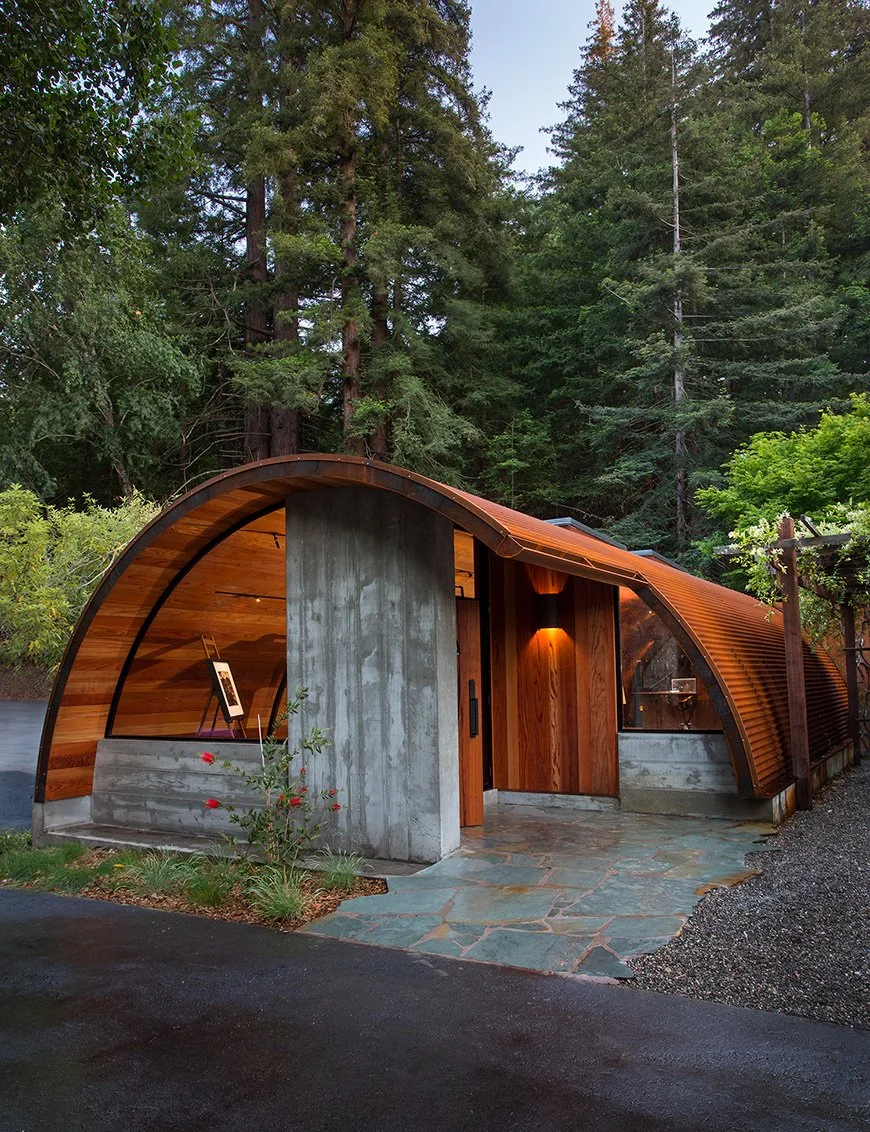
Image Credit: Post Ranch Inn
For so very long we have looked to social media for inspiration, scrolling and swiping away in search of that thing that no one else has found. Or searching for something better than what we have, or even more troubling, searching for whatever everyone else knows and values. It’s the belief that something better is just around the corner. Psychologists call this ‘maximizing tendency’ - just one more scroll, one more results page. And it’s been well-documented with some, like Kyle Chayka, referring to it as ‘Algorithmic Anxiety’.
What consumers, particularly affluent consumers, are awakening to is a rejection of the reduction of style and taste to the lowest common denominator. These same consumers are questioning what they once considered their own personal style by asking the question: If I like what everyone else likes, then does it truly reflect me? Does it have meaning to me?
“If you want real taste and flavour, then it has to be something that exists in its own simplicity. The unadulterated simplicity of things; we need to unspool and unspoil ourselves and look with a cleaner heart at not just what gives us pleasure, but what has meaning.” - Melinda Stevens, former editor-in-chief of Condé Nast Traveller UK.
As a result, this discerning consumer is moving away from digital inspiration, and to a connection to the physical world for discovery and reference. They are looking for real-world experiences to inform their personal taste and style and to reflect to others what they, individually, find interesting and meaningful.
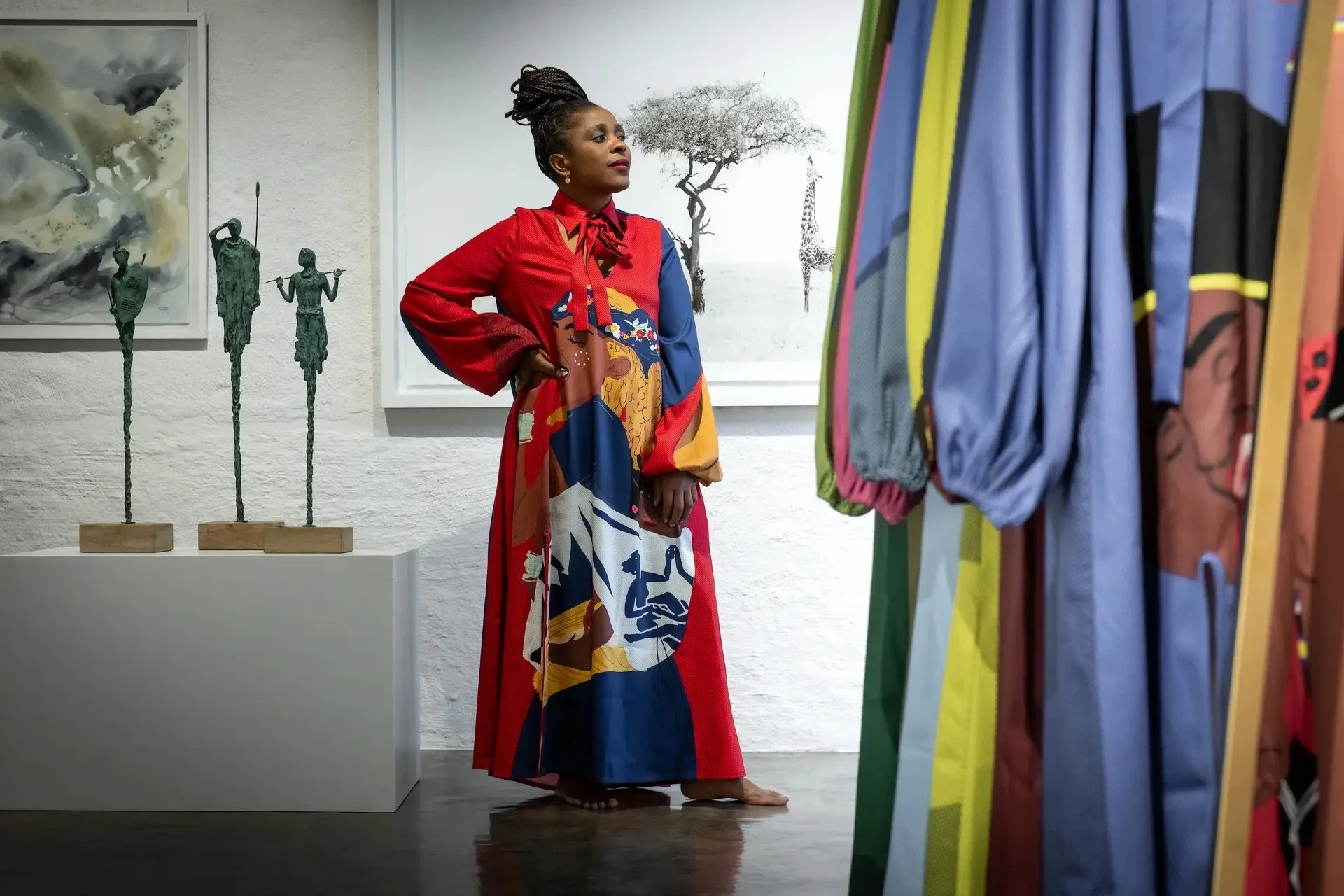
Image Credit: Singita
A Missed Opportunity
Luxury hotels, having already captured the time and attention of the guest, are a natural destination for discovery, for connecting to the simplicity of things and disconnecting from what clouds our capacity to identify what has real meaning to us.
Yet, often overlooked, or dismissed is the powerful potential for that discovery that retail has within a luxury hotel. The inconvenient truth with globalization is that the same brands are everywhere, which makes discovering something new a monumental accomplishment. When hotel retail leans into that familiar trope – in-hotel boutiques from the same handful of maisons – thinking that those luxury brands enhance the guest experience or that an association with those brands elevates the perception of the hotel, an opportunity is missed.
This is not to dismiss the revenue generation through rent agreements and the benefits of non-guest foot traffic to the property due to the presence of those well-known luxury brands, but a singular retail strategy that rests with global luxury brands fails to consider the power of place in retail that can influence the guest long after the stay.
Luxury brand retail boutiques are part of the equation, but not the only variable to consider. Retail, too often, defaults to what other properties already have in a misplaced ambition to not be left out. Instead, the most innovative hoteliers are developing retail strategies that mix the more traditional luxury boutiques with a hyper-local craft retail approach that pushes away from the homogeneous commercial philosophy of so many luxury destinations.
More Than A Souvenir
It is often quoted that experiences are the prized luxury of our time, a sentiment never more true in the face of online communities, isolation through remote work, and the growing divide in our politics and culture that seeks to keep us apart from real life interactions.
Thus, the motivations of the affluent consumer are to connect and learn with those who they love and with interesting people they hope to meet as they travel. This curiosity for meaningful engagement is why luxury travel is resilient, and in many parts of the world is booming.
There are a few luxury hoteliers who foresee an evolution of retail. These are destinations that understand that premium local craftsmanship only found at that destination adds a depth of discoverability and a textural memory to a traveller long after they have left the property. It represents true rarity in that it’s exclusive to the place and personal to the purchaser – it’s a one-of-one to that person.
“In the past everything would have been bought to match with other things that are already in my home, but now it’s all about craft. My tourism purchases are things I can only get in that specific place. I will bring back Japanese ceramics, candles from Mexico, baskets from Rwanda.” Caroline Issa, founder of Tank Magazine and a Board Member of the British Fashion Council
Whether it’s the destination that creates that special product, like their own wine, bitters or textiles, or it’s something native to that culture and found nowhere else, those purchases leave the trappings of souvenirs and become symbols of an experience, an emotion or interaction from a guest’s time. Those experiences, and those meaningful products begin to influence personal style, and encode memories and markers of a special time.
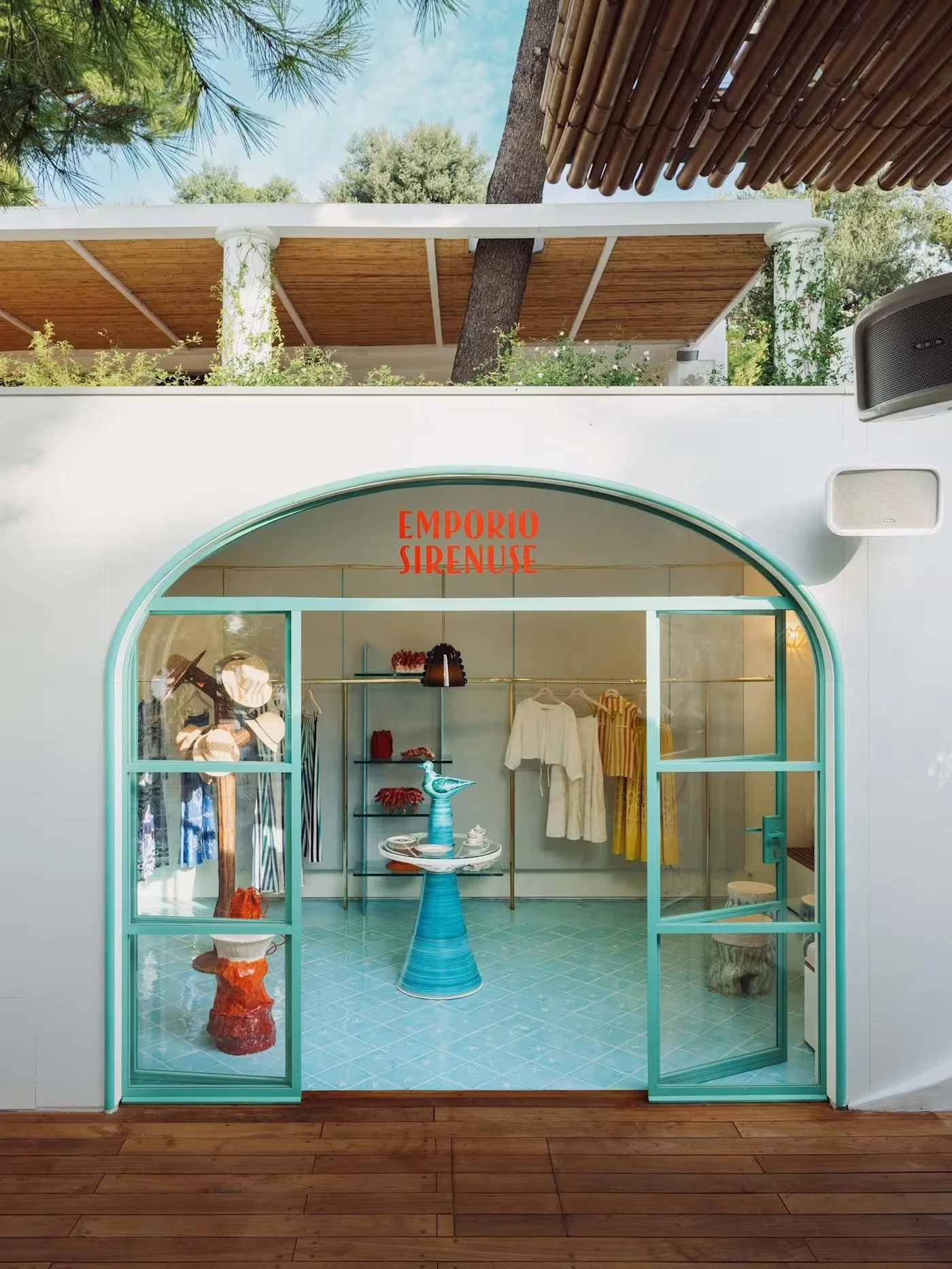
Image Credit: for Emporio Sirenuse, designed by Rosseel Studio © Tinko Czetwertynski
Retail As Discovery
The brands and properties that create this type of retail experience well are those that curate a selection and an environment which is guided by a sense of place, local culture, and the highest calibre of craft and authenticity. It must be a natural expression of the destination’s perspective and style of hospitality, which means that this retail approach provides another thoughtful interaction of a fully orchestrated guest experience.
Those destinations understand that discovery is part of the pull of travel and that the effort required is significant. It’s an investment that yields returns that exceed simply the revenue generated on the floor or online. This retail feeds a traveller and becomes an avenue for reflection – a form of consumption that lives years after the stay.
“Genuine discovery discriminates based on whether you have the wherewithal to put the effort in to discover something new. It’s that sense of discovery that is going to be a product of what’s happening now.” Nadine Choe, founder of The Stanza, a media platform exploring hospitality and culture from an investor’s perspective.
How this type of retail can take shape and what it might look like are as varied as the diverse set of properties that excel at it.
Consider Post Ranch Inn in Big Sur, California, and its commitment to the celebration and integration of fine art from its vibrant community of Northern Californian artists. Rather than the typical ‘art as a muse’ for interior design, Post Ranch Inn purpose-built the Post Gallery, an architecturally significant home, explicitly for rotating the work of local artists – currently featuring Big Sur photographer Kodiak Greenwood and Monterey-based photographer Joe Platko, all identified and selected by the property’s Artistic Director, Trevor Meeker. And, importantly, the only place to see this art at the Post Gallery is in-person, as it’s not available for viewing online – another reason to go to the property to discover something unique and rare.
Beyond art, Le Sirenuse in Positano has pioneered this type of luxurious craft retail for over a decade with its internationally beloved boutique and label, Emporio Sirenuse. Working directly with artisans, they have created clothing and homeware collections that communicate the Positano way of living – refined, personal, and distinctive in a manner that is clearly an expression of the hotel’s spirit of craft and exchange.
Next, Rosewood Hotels proves that this type of thoughtful retail is not limited to independent, owner-led boutique hotels only. Empowering the property team at Las Ventanas al Paraíso, a Rosewood Resort in Los Cabos, Mexico, to integrate local culture and craft enables guests to bring a piece of the resort home with them from an intricate cotton Otomi tablecloth made by hand in Tenango de Doria by artist Manuel Tolentino to a colorful bead and wood sculpture in the traditional Wixárika style from local artist Don Victor Florentino Huerta. This proves that meaningful, local, and premium retail can be executed anywhere there is the will.
Lastly, Singita, the ecotourism and conservation African luxury travel brand, has created its Boutique & Gallery model across its African lodges featuring fine art from internationally renowned African artists, designer clothing, authentic carvings and custom jewelry from skilled local craftspeople. This retail model not only provides the guest an opportunity to reflect their personal style and sense of adventure, but it also is consistent with Singita’s original ethos by not only contributing to a guest’s enrichment but by gifting a portion of each sale at the Boutique and Gallery back into the community to foster entrepreneurship, conservation and education.
The Desire for More
Ultimately, retail should be a reflection of place and the experience the property promises. Each of the previous examples is an expression of exactly that in a way that addresses the desires of today’s affluent traveller for meaning, inspiration, and discovery. The traditional luxury brand boutiques will continue to have their place at a destination, but to only provide a retail experience that can be found elsewhere overlooks an opportunity to leverage retail as an impactful interaction to be valuably different from the many choices presented to this traveller.
FerebeeLane is a brand strategy and creative agency that works with premium and luxury brands to engage the discerning affluent consumer. For the past 20 years, the agency has collaborated with beloved brands such as Le Creuset, Blackberry Farm, Miele, The Ritz-Carlton, Baker McGuire Furniture, Vail Resorts, Chimay Trappist Beer, as well as numerous other Relais & Châteaux properties, and other luxury brands throughout the home. To learn more about FerebeeLane or our perspective on the discerning affluent consumer please contact Josh at josh.lane@ferebeelane.com