Time, Space, and a Journey that Means Something
Feature by Havas Media Lux
Travel as emotional currency
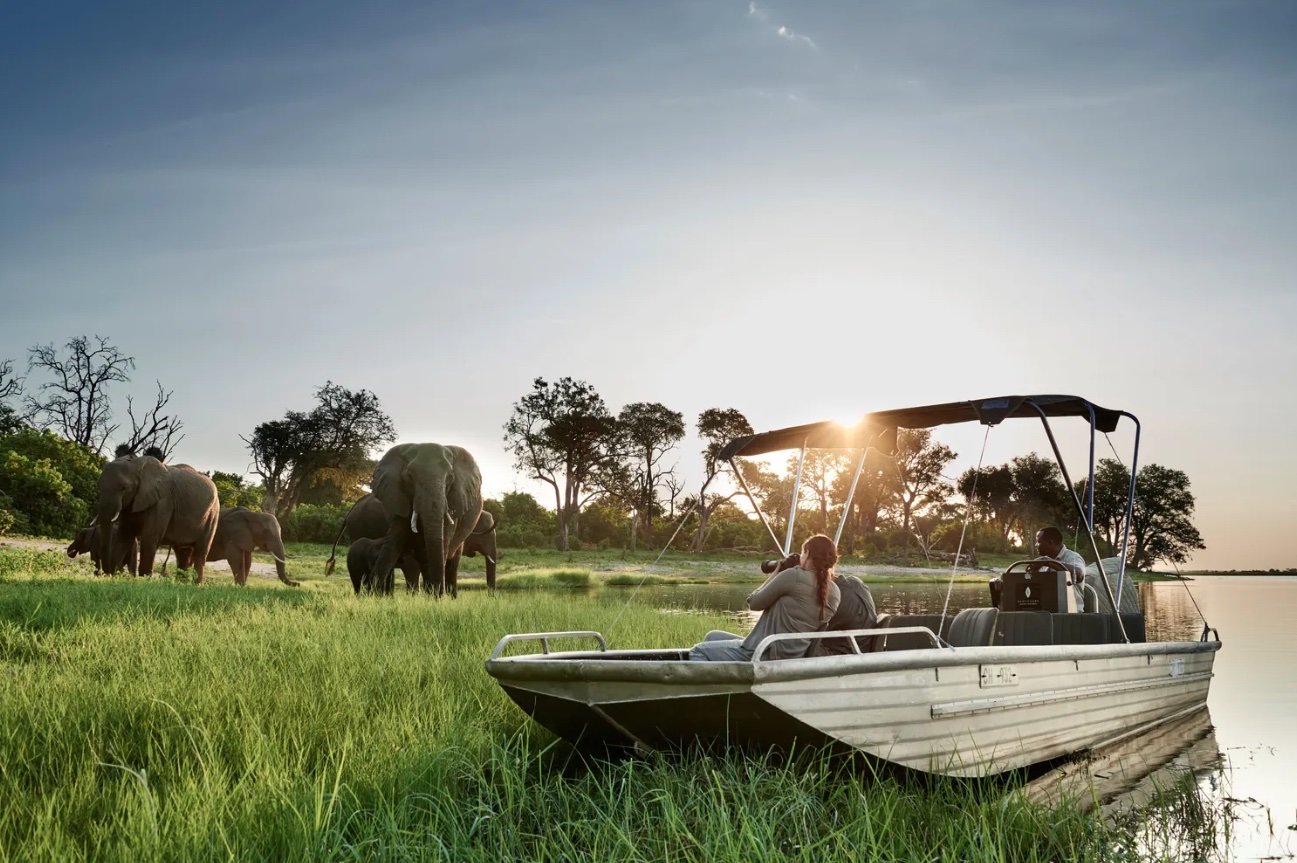
The essence of luxury travel today has shifted from material value to emotional return on investment. This is a shift we continue to track through our annual bespoke research, "The New Codes of Luxury," where evolving mindsets and behaviours reveal how luxury is being redefined. Within this framework, two influential audiences stand out: the Joy Rejuvenators and the Memory Makers. For both, travel has become a primary way to mark moments, shape identity and create meaning – whether through immediate self-reward or long-term memory building. Increasingly, journeys are no longer evaluated by cost, but by their return on emotion. Joy Rejuvenators take a spontaneous, reward-driven approach. They purchase frequently, using travel to celebrate success, restore energy or inject joy into their lives. For this audience, luxury lies in immediacy - indulgent escapes, elevated short breaks and high-impact experiences that deliver instant emotional uplift. Memory Makers, by contrast, take a more considered, autobiographical view. Their purchases are rooted in legacy - choosing experiences that can be shared, remembered and passed down. In travel, this is expressed through multi-generational trips, milestone journeys and once-in-a-lifetime experiences designed to create lasting emotional significance; our “New Codes of Luxury” report shows that already 19% of affluent travellers are planning to travel with multiple generations during 2026. Across both audiences, luxury is no longer about what you own, but what you feel, and what stays with you.

The Rise of Intentional and Immersive Travel
As travel becomes more emotionally driven, it’s also becoming more intentional. Journeys are no longer shaped by where people can go, but by why they choose to go to reconnect, restore or rediscover. The result is a move away from passive sightseeing towards active, participatory immersion. Travellers are seeking deeper engagement with local cultures and communities, experiences rooted in storytelling and craft, and itineraries that prioritise meaning over volume. It’s no longer enough to visit a destination; today’s travellers want to understand it, contribute to it and feel changed by it. This was evident in this year’s “New Codes of Luxury” report with 75% saying it was a top priority, ahead of food (66%), wellness (56%) and nature (56%). This is driving demand for expert-led, highly curated journeys, where access is defined by depth of knowledge rather than exclusivity alone. Brands such as Abercrombie & Kent exemplify this shift, combining on-the-ground expertise with bespoke itinerary design to deliver experiences that feel both seamless and deeply personal; often offering the kind of access that can’t be replicated through algorithms. At the same time, expectations of service have evolved. Hyper-personalisation is now a baseline, but what differentiates is human curation - intuitive, expert-led guidance that understands not just what travellers want, but why they want it. In an environment where nearly 70% of luxury travel bookings are influenced by digital platforms, the brands that will win are those that retain a distinctly human perspective. Alongside this, we’ve seen conscious travel become non-negotiable. Sustainability has moved from being a differentiator to a prerequisite. Travellers aren’t seeking eco-hotels necessarily, but they respond powerfully to conscious choices. We found that locally sourced food (70%) and visible community support (43%) leave lasting impressions, shaping loyalty in ways that glossy branding alone can’t.
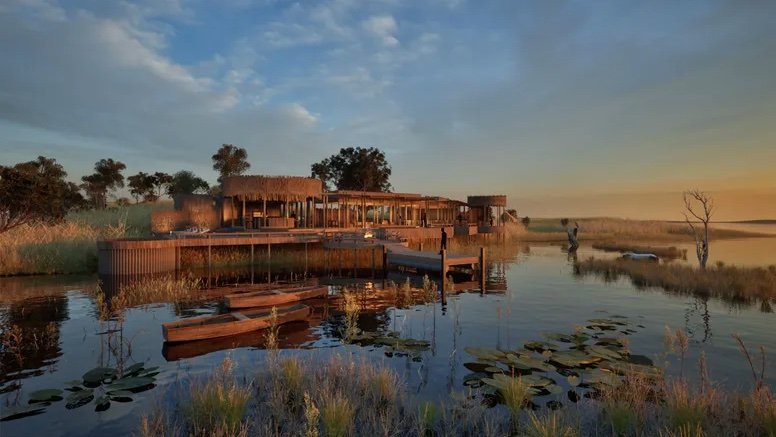
Image: Abercrombie & Kent Sanctuary
Time as the Ultimate Luxury
Perhaps the most defining shift in luxury travel is the redefinition of time itself. For decades, travel was about maximising time - seeing more, doing more, fitting more in. Today, luxury travellers are no longer trying to optimise time, but to reclaim it. This is driving a move toward slow travel - extended retreats, seasonal stays, and remote escapes designed not to fill time, but to allow for it. This shift is rooted in an active choice for restoration over distance; we found that 56% of affluent travellers plan to take multiple domestic breaks in 2026 to prioritise rest and reflection. In this new landscape, wellness has moved beyond the spa to become the very architecture of the journey. From nature-led immersion to sleep-optimised stays and holistic biological programming, travel is now a medium for self-investment, where the ultimate marker of luxury is the freedom to return home fundamentally recalibrated.
What this means for luxury brand communications in 2026:
As luxury travel evolves, the way it’s planned, discovered, and booked is shifting too, and this has direct implications for how brands should think about their media investment.
Target by mindset and life stage, not just demographic. Milestone moments like a significant birthday, a life transition, an anniversary, are the real trigger points for high-consideration luxury travel, particularly for the Memory Makers audience. Media that can identify and activate around these moments, through data-driven signals, contextual targeting, or editorial environments aligned to life stage, will outperform broad demographic buys.
Invest in high-attention, long-form environments, and stay always-on. An audience actively reclaiming time is more present in high-attention environments: quality print, long-form audio, premium editorial partnerships. Our data underlines this with hotel and brand websites, and friends and family remaining the most trusted inspiration sources - both high-trust, high-attention touchpoints. But with up to three-quarters of bookings now happening at short notice, the traditional seasonal campaign push alone is no longer sufficient. Brands need sustained presence so that when the impulse strikes, they’re already in the consideration set.
Reclaim the consideration phase with human authority. One-third of affluent travellers expect to use AI to plan trips soon, but trust, not discovery, is what determines where they book. Social media inspires 31% of today’s high-net-worth individuals, but it’s direct brand channels and trusted editorial that convert. In a world where AI can generate an itinerary in seconds, human perspective is a genuine differentiator. This is an argument for investing in partnerships with trusted voices like cultural editors and expert curators, rather than relying on algorithmic reach alone.
If the last decade of luxury was defined by access, the next will be defined by meaning. Travel is no longer just a category, it’s a reflection of how we choose to spend our time, reward ourselves and create lasting memories.
Havas Media Lux gives you the competitive advantage amongst luxury consumers. Our speciality lies in connecting brands to modern consumers and communities. If you'd like to learn more about how we do this, or this year's “New Codes of Luxury” report, please get in touch via Hmgukcomms@havasmg.com