
Love & Loyalty: Building Brands with Charisma
Feature by FerebeeLane.

The luxury category is surfeit with options — and not all will endure.
While that may feel pessimistic, history suggests otherwise. It is a reality luxury brand leaders must confront if endurance is an objective.
One way to understand this challenge is to consider where a brand sits relative to the emotional connection it has with the affluent consumer. Most brands fall into one of three categories:
It has never meant anything
It once meant something
It is currently meaningful to many
Why is it that some brands are meaningful, while others have lost their way and are trying to reclaim what they once had? What is the feeling that the most enduring luxury brands create with consumers — the one that sustains them over time?
It is charisma — a quality that inspires devotion.
At its truest, charisma is a love story between a brand and those consumers who love it — over time, and ideally, forever.
Love and Loyalty
Do you remember what it felt like when you first fell in love? The attraction. The magnetism. The intensity of something new and wonderful. The constant discovery.
That is not charisma.
That is desire.
Now consider a relationship that has endured for fifteen or twenty years or more. The early intensity has likely changed. The mystery and constant discovery have softened. Yet what has replaced them is something far stronger.
A depth of connection.
A sense of irreplaceability.
A devotion earned over time.
Charismatic brands can form similar relationships — ones where consumers are devoted to the brand, and the brand, in turn, is devoted to them.
Time, and the accumulation of lived experiences, is how desire becomes devotion. That is love and loyalty. That is the power of charisma.
So how does a luxury brand leader build a brand with charisma?
The Architecture of Brand Charisma
If charisma is part love and part devotion, then understanding the principles that create those feelings becomes the lens through which operational decisions are made — and the way a brand’s past, present, and future are interpreted.
It is an architecture in that there is:
Interdependence — remove one element and it is no longer whole
Proportion — it is a balance of elements, not the dominance of a few
Hierarchy — some elements may carry more weight than others
Together, these five principles form the architecture of brand charisma.
Principle #1: Clarity
Charismatic brands possess an undeniable clarity of purpose and a clear perspective on its place in the world. Every decision is measured against fulfilling that purpose and executed in a way that is consistent with the brand’s point of view.
Clarity also means consumers understand what the brand believes and can confidently anticipate the experience it will deliver.
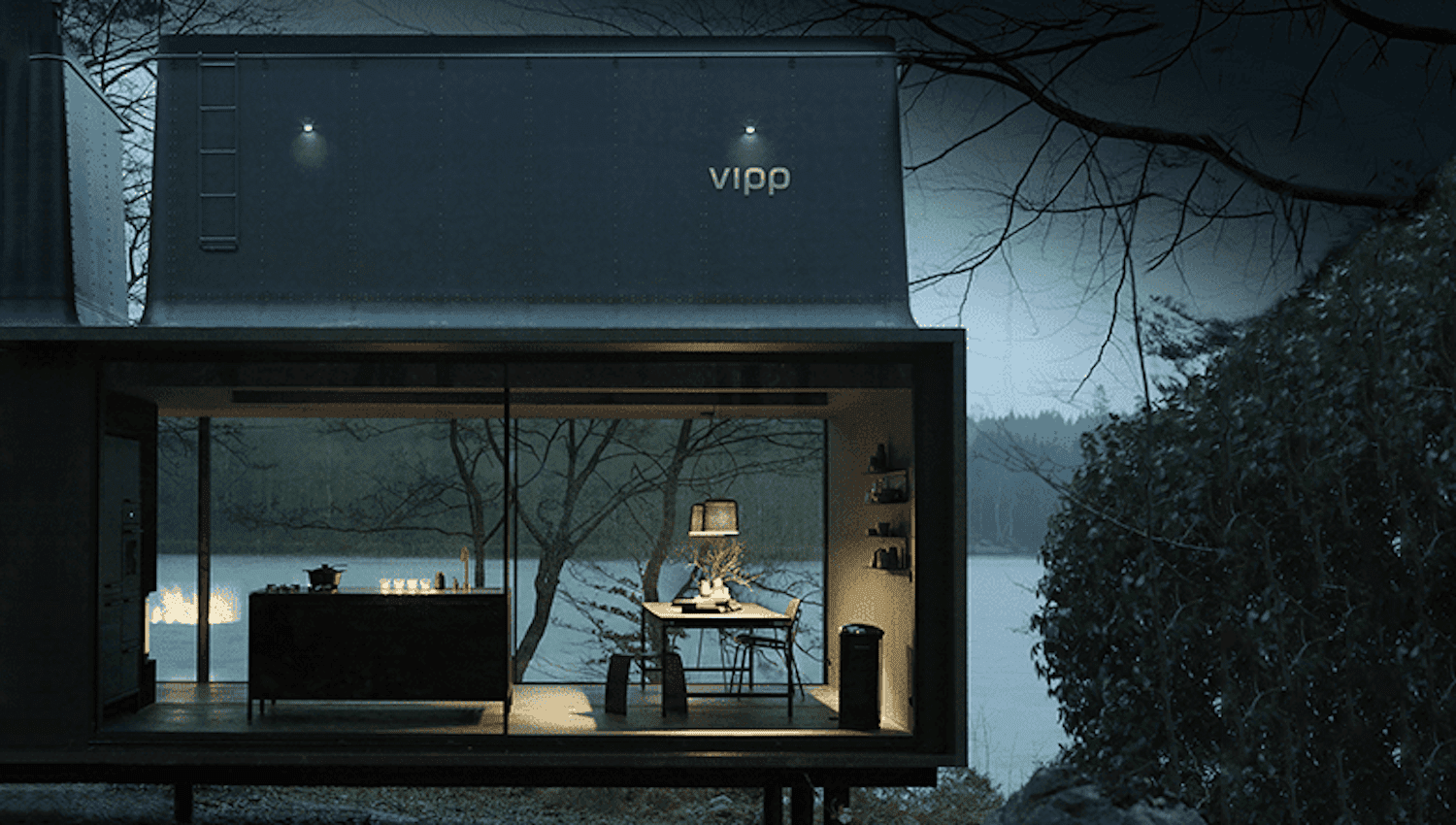
Image credit: Vipp
Vipp, the long-respected Danish furniture and kitchen brand, has maintained this clarity by remaining true to Holger Nielsen’s founding design principles:
Function before expression
Durability as respect
Honesty in materials
Timelessness over trend
Reduction leading to refinement
Today, Vipp spans kitchens, lighting, furniture, home accessories, and guesthouses — each extension bringing the same perspective to life while respecting the brand’s heritage and commitment to doing things its own way.
Principle #2: Courage
Clarity is only valuable if a brand has the courage to remain true to it.
Moments of pressure — declining sales, tempting growth opportunities, shifting markets — test a brand’s resolve to stay aligned with its long-term purpose. Courage is required to say no when opportunities conflict with what the brand exists to do.
Affluent consumers reward this courage with belief and trust. They develop confidence in how the brand will act, even amid uncertainty. While courage can be difficult in the face of quarterly expectations, it is one of the most powerful drivers of enduring devotion.
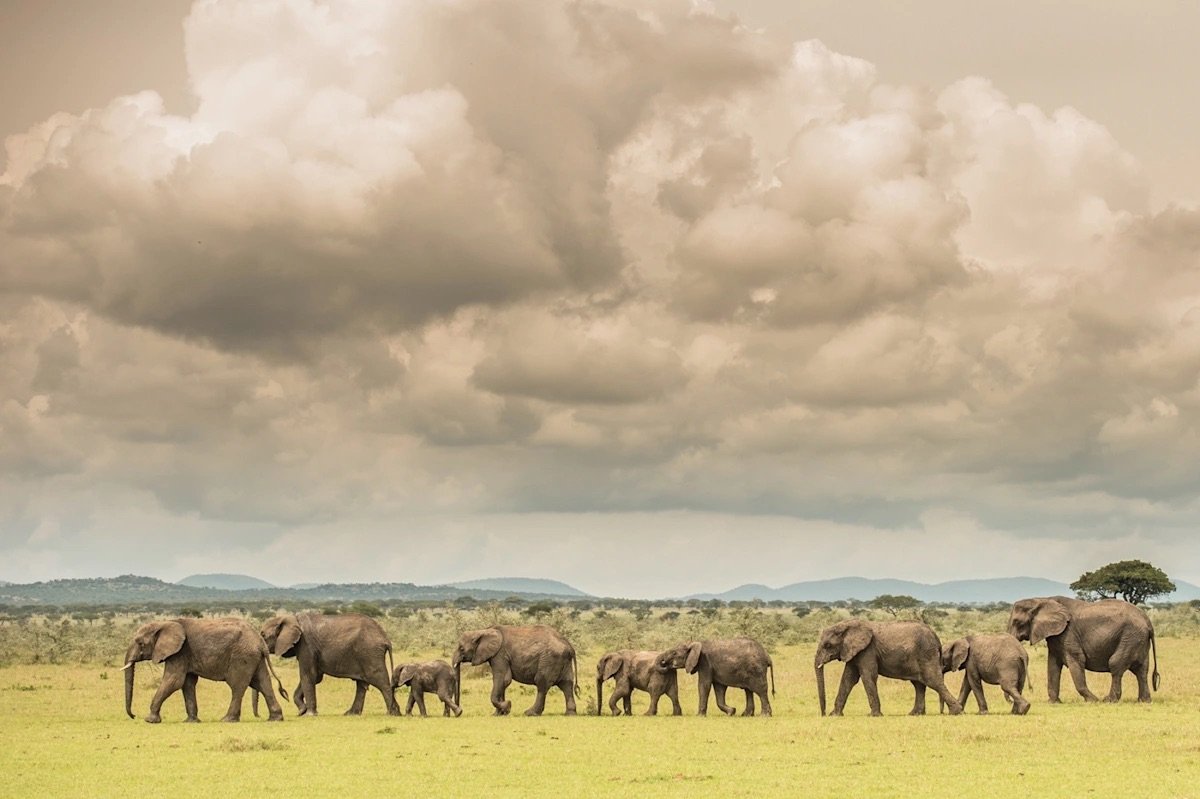
Image credit: Singita
Singita, the luxury African safari travel organization, exemplifies courage by resisting the financial temptation to dramatically expand its lodge count and guest capacity.
Under the leadership of CEO Jo Bailes, the fourth generation to lead Singita, the organization has remained resolute in prioritizing conservation and restoration of wilderness above all else.
This restraint has created pricing power and a deeply devoted following of affluent travelers who willingly pay a premium — not despite Singita’s values, but because those values create experiences found nowhere else.
Principle #3: Contrast
Clarity of purpose should create meaningful contrast within a category. Contrast means being valuably different, not incrementally better.
It is the identification of a space only that brand can occupy — one no competitor can credibly claim — and one consumers clearly understand as unique.
Contrast creates the conditions for devotion among those who seek exactly what the brand is committed to providing.
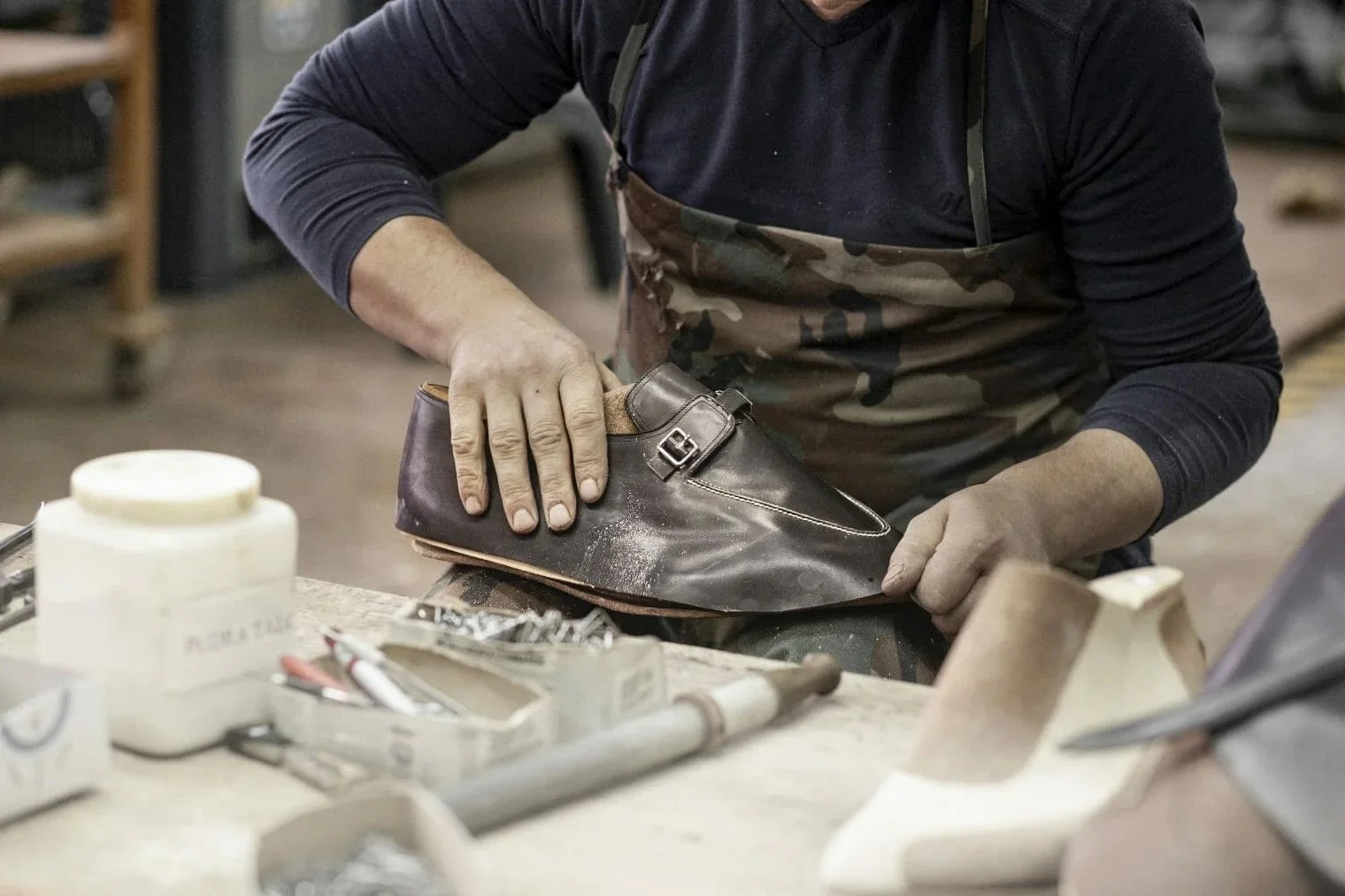
Image credit: Saint Crispin’s
Saint Crispin’s, the Austrian bespoke men’s shoemaker, stands in deliberate contrast to nearly every other brand in its category. The company limits production to approximately 1,500 pairs per year, stating:
“To make more pairs would upset the balance in our universe of quality and therefore part of our mission is to protect our brand from an often-overzealous market.”
The brand also emphasizes its independence:
“Trying to make some of the world’s finest handmade shoes for gentlemen without any foreign investor constraints or influences.”
By intentionally limiting growth and outside investment, Saint Crispin’s has claimed a position defined by craftsmanship, discipline, and devotion to those who value it precisely as it is.
Principle #4: Curiosity
Charismatic brands are curious — not in pursuit of novelty, but in service of those who are already devoted to them.
This curiosity is measured. It weighs what innovation might gain against what it could cost. These brands ask a difficult question: What would we have to abandon to grow faster — and are we willing to lose it?
Growth remains an objective, but never at the expense of purpose. Curiosity helps leaders navigate decisions that could deepen the brand’s influence — or quietly dilute it.

Image credit: Château d’Yquem
For centuries, Château d’Yquem has been regarded as the world’s finest natural sweet wine through extreme selectivity and patience — even when that meant financial loss or choosing not to release a vintage at all.
Its curiosity is expressed through relentless experimentation in vineyard management and innovation aimed at purity rather than yield. It is curiosity in service of remaining true to who they are in an ever-evolving world.
Principle #5: Commitment
The final element in the architecture of brand charisma is commitment — among senior leadership and throughout the organization.
It is the commitment required to understand the brand deeply, to believe as the brand believes, and to make decisions with the tenacity to consistently deliver the experience consumers expect, regardless of external pressures.
Commitment enables alignment today and continuity across generations of leadership.

Image credit: Patek Philippe
Few brands demonstrate generational commitment more clearly than Patek Philippe. Since 1839, the company has adhered to the core values of the “Patek Philippe spirit,” guiding decisions on a fifty-year horizon and preserving a product philosophy that transcends leadership eras.
Each generation inherits a responsibility to steward the brand — not reinvent it.
Not every brand expresses clarity, courage, contrast, curiosity, and commitment equally. But every charismatic brand possesses all five.
The Long Story
These five principles are essential — but they are not sufficient on their own.
Charisma is built through a long story. One that respects the past, evolves thoughtfully in the present, and remains faithful to an enduring future.
What the brand was — honoring earned equity
What the brand is — evolving with intention
What the brand should be — becoming more fully itself
The role of the brand leader is to author that long story, guided year after year by clarity, courage, contrast, curiosity, and commitment.
There are very few brands willing to do this. Which makes those that do increasingly valuable. Which allows them to endure.
They become brands others try to follow — but cannot.
They are one of one.
Affluent consumers are devoted to them.
And they, in turn, are devoted to those consumers.
These are brands with charisma.
FerebeeLane is a brand strategy and creative agency working with premium and luxury brands to engage the discerning affluent consumer. For the past 20 years, the agency has collaborated with beloved brands such as Le Creuset, Blackberry Farm, Miele, The Ritz-Carlton, Baker McGuire Furniture, Vail Resorts, Chimay Trappist Beer, as well as numerous other Relais & Châteaux properties, and other luxury brands throughout the home. To learn more about FerebeeLane or our perspective on the discerning affluent consumer please contact Josh at josh.lane@ferebeelane.com